Circular Jobs
We have been working to put people at the heart of the economy since 2019 through the Circular Jobs Initiative. With evidence, partnerships and capacity development, we empower social partners, industry and civil society to plan proactively for a just transition.
Our vision
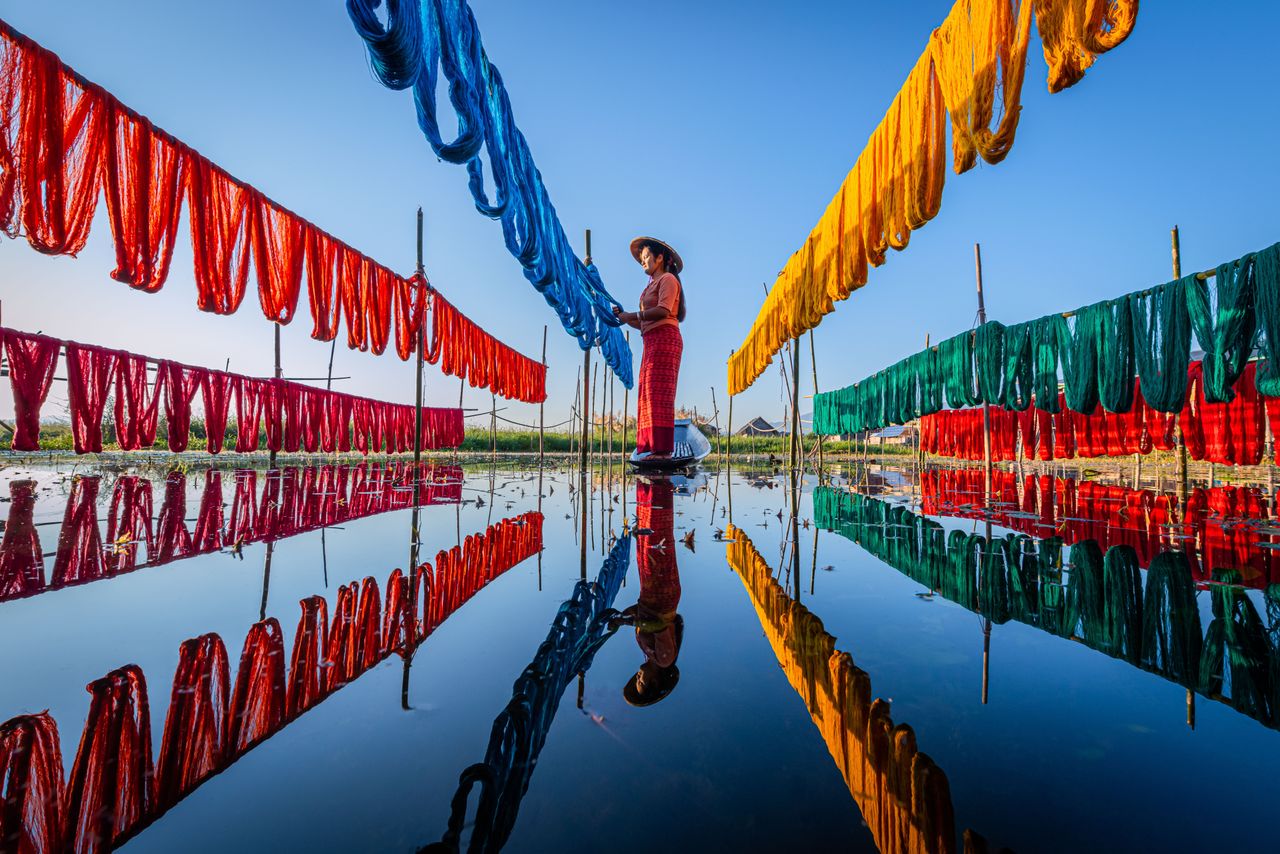
We believe in a global economy that prioritises the well-being of both people and the planet. To achieve this, the opportunities and challenges faced by different workers in the circular economy must be well understood and used to shape the circular economy agenda. We advocate for the inclusion of worker voices and international labour standards in circular economy roadmaps, policies, and supply chain practices.

Our highlights
The first global baseline of circular economy employment
The global baseline of employment in the circular economy was produced by Circle Economy in collaboration with the International Labour Organization and the World Bank Group, with guidance from an international advisory board and with support from the UN Partnership for Action on Green Economy (PAGE). It reveals that at least 121-142 million people are working in the circular economy today.
Upskilling circular economy practitioners around the world
As part of the EU Circular Economy Resource Centre (EU CERC), we provide train-the-trainer sessions, peer-to-peer support and technical assistance to business support organisations (BSOs), MSMEs and cities around the world to increase uptake of inclusive circular economy practices.
Circularity and informality: Redefining narratives
Workers in the informal economy often go unrecognised. We highlight their critical role in the circular economy, gathering voices globally to promote pro-poor, context-specific, and inclusive approaches that shape policies, projects, and investments.
What our clients say
Latest reports & publications
See all

Our initiatives
Jobs in the Circular Economy Initiative
Jobs in the Circular Economy is a joint initiative of Circle Economy, the International Labour Organization and the World Bank Group. It aims to create evidence and tools to unlock the potential of the circular economy for promoting innovation, sustainable enterprise, and ensuring decent work for all