Value chains
Circle Economy’s Global Value Chains team advances inclusive circular transitions worldwide, focusing on food systems, consumer goods such as textiles, e-waste, and plastics, and critical raw materials through research, stakeholder engagement, and capacity building.
Our vision
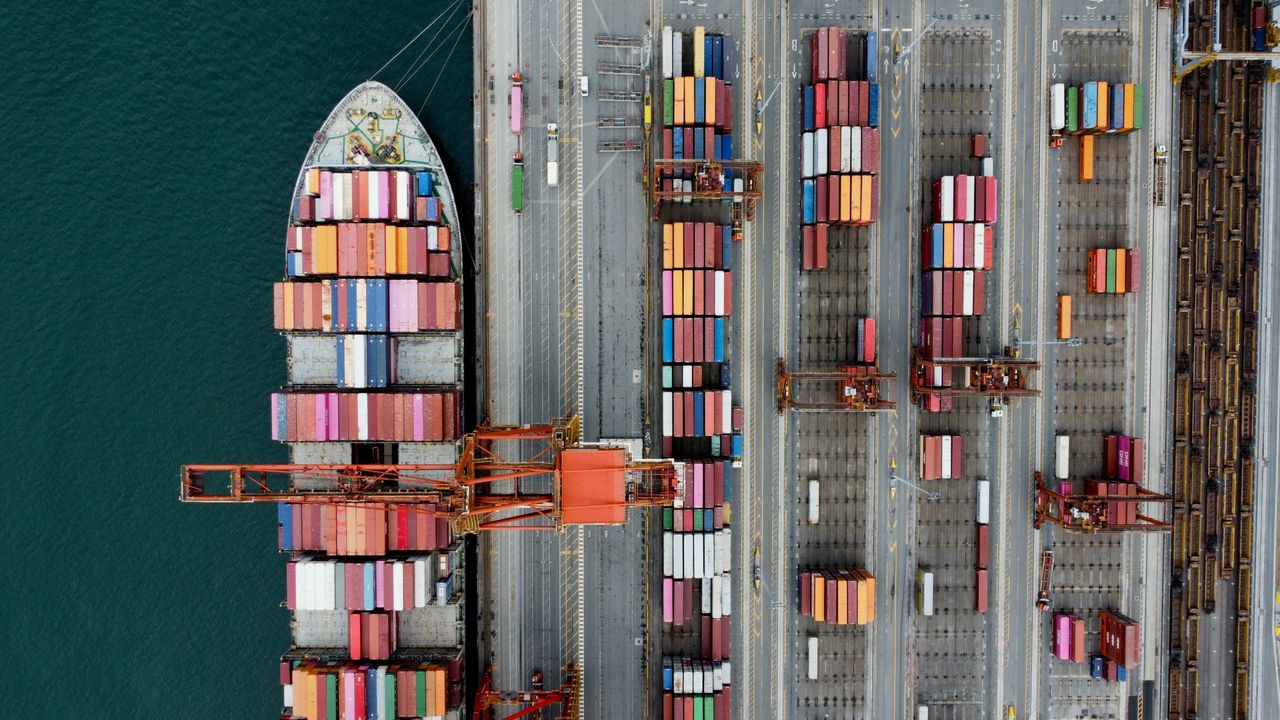
Today, global value chains are deeply interconnected, with goods, materials, information, and finance flowing across economies. At Circle Economy, we believe international cooperation is essential to transforming supply chains. We advocate for inclusive and fair collaboration in how resources are accessed, used, shared, and recovered, and in how the people and ecosystems behind them are valued.
Circularity plays a key role in strengthening value chain resilience and fostering meaningful partnerships between trading partners. Our Global Value Chains team works with stakeholders across Europe, Asia, Africa, and the Americas to advance circular solutions through research and data analysis, stakeholder engagement, capacity building, and project leadership. By supporting EU and global policymakers in understanding the opportunities and risks of transitioning key value chains towards circularity, we help drive policies and practices that accelerate the transition to a circular economy while ensuring this shift is rooted in inclusive cooperation.
Our highlights
SWITCH to Circular Economy Value Chains (SWITCH2CE)
The SWITCH2CE programme advances circular economy practices in plastics, textiles, and ICT across Morocco, Bangladesh, and Egypt. The project has produced nine reports and trained over 300 ‘trainers-of-trainers’.
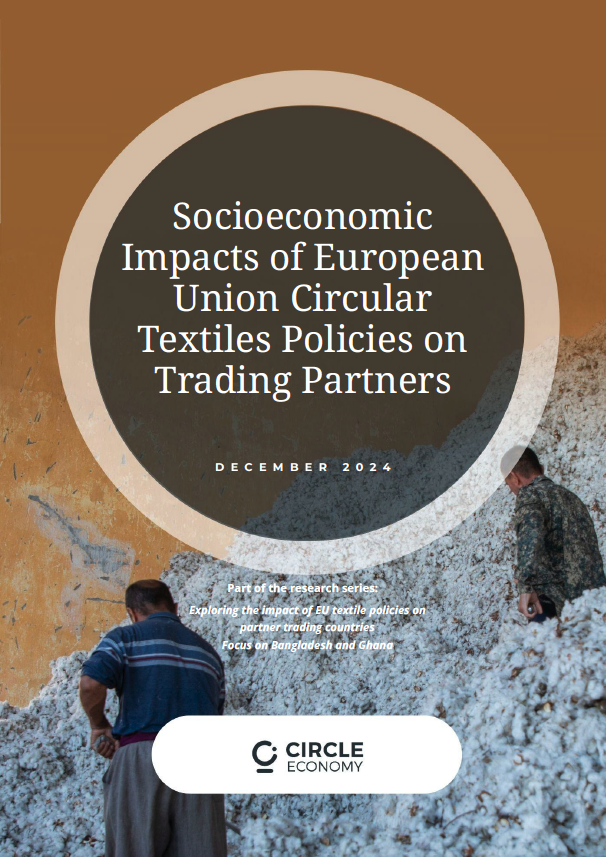
Socioeconomic impacts of European Union circular textiles policies on trading partners
This project examines how EU circular textile policies affect Bangladesh and Ghana’s industries, workers, and social equity, revealing global impacts and informing follow-up work with Laudes Foundation to support sustainable, ethical production in the Global South.