Explore by topic
Nanollose: a chemical process that turns liquid waste into rayon
Last updated: Oct 1, 2021
Summary
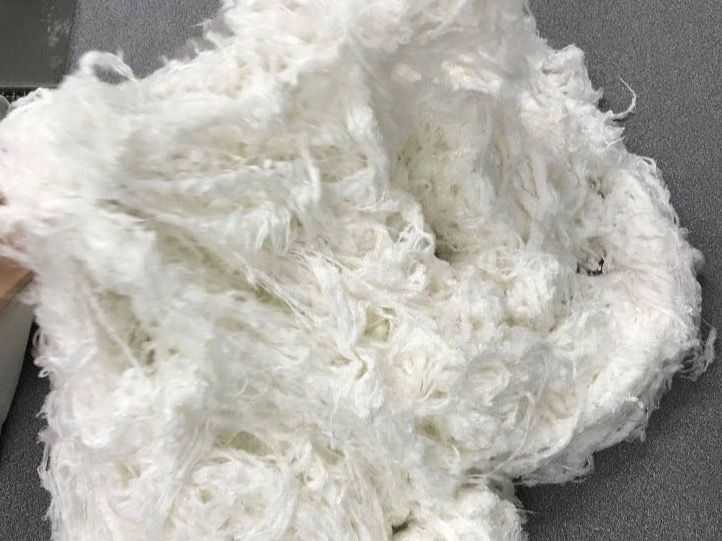
Nanollose developed Nullabor Fibre, which is a rayon fibre produced from microbial cellulose grown on liquid organic industrial waste and agricultural waste.
Problem
The production of man-made cellulose fibre is often associated with endangering ancient forests and the use of irrigation, pesticides and other resource-intensive inputs connected to trees plantations. An intensive purification process is needed to extract the cellulose required for rayon production. The cellulose extracted is then regenerated into fibres that make fabrics called rayon/viscose that primarily go into making clothes.
Solution
Microbial cellulose offers a sustainable alternative solution to cellulose derived from trees. Moreover, Nanolllose uses feedstock waste to produce microbial cellulose. It has created the world’s first wearable garment using its Tree-Free Rayon fibre (Nullarbor), sourced from sustainable coconut waste.
Outcome
Nanollose’s waste-to-clothing technology has created a tree-free rayon fibre named Nullabor that is easily retrofitted into current textile and clothing production methods.
Nanollose Executive Chairman Wayne Best said, “We have successfully taken waste and created clothing, and we have done it following industrial protocol. Our fibre was spun into yarn and made into fabric, then manufactured into this garment using existing industrial equipment. It validates our entire process.”
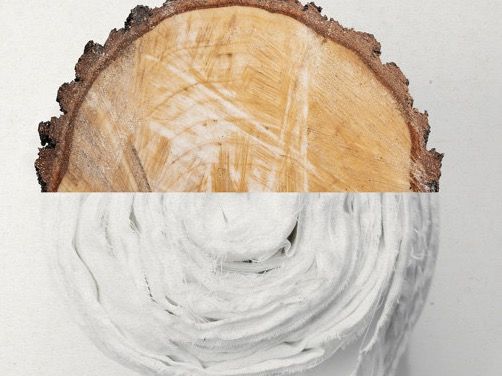
150 million trees are cut down each year, then chipped and treated with hazardous chemicals to extract the raw material used to make Viscose Rayon fibres for clothing. By contrast, Nanollose’s Nullarbor fibre is made without harming a single tree.
“We didn’t have to cut down any trees to create this sweater, and we have now demonstrated that our Tree-Free Rayon fibre can be used in the same way as other commonly-used fibres to make clothing and textiles, without the hefty environmental footprint.” Mr Best said
Location
Industries
Involved organisation(s)
Key elements of the circular economy
Attachments and links
Contributors
Owner
Contributor
Contributor
Date added: Sep 17, 2021
Last updated: Oct 1, 2021
More from the contributors



Add your content
Strengthen the circular economy knowledge base by adding a report, case study, publication, or other resource to our platform!