Explore by topic
Infinited Fiber Company: Transforming cellulose-rich waste into super fibre Infinna using a closed-loop chemical recycling process
Last updated: Jan 6, 2023
Summary
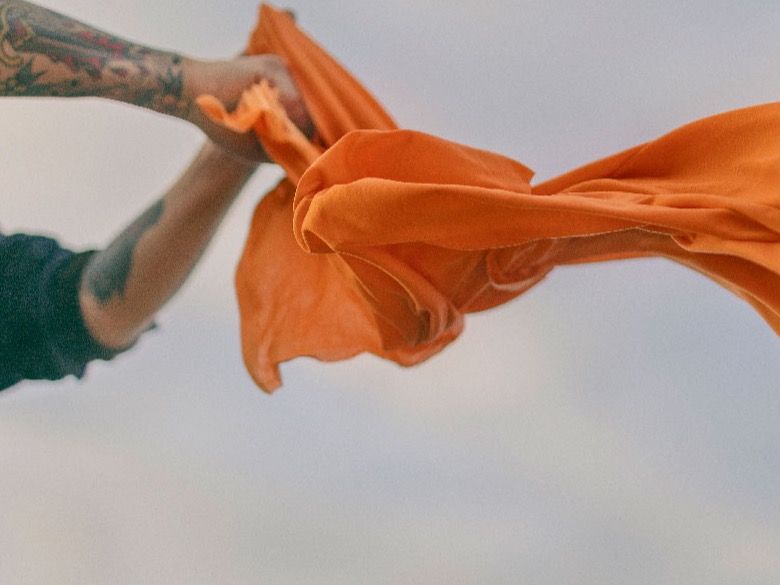
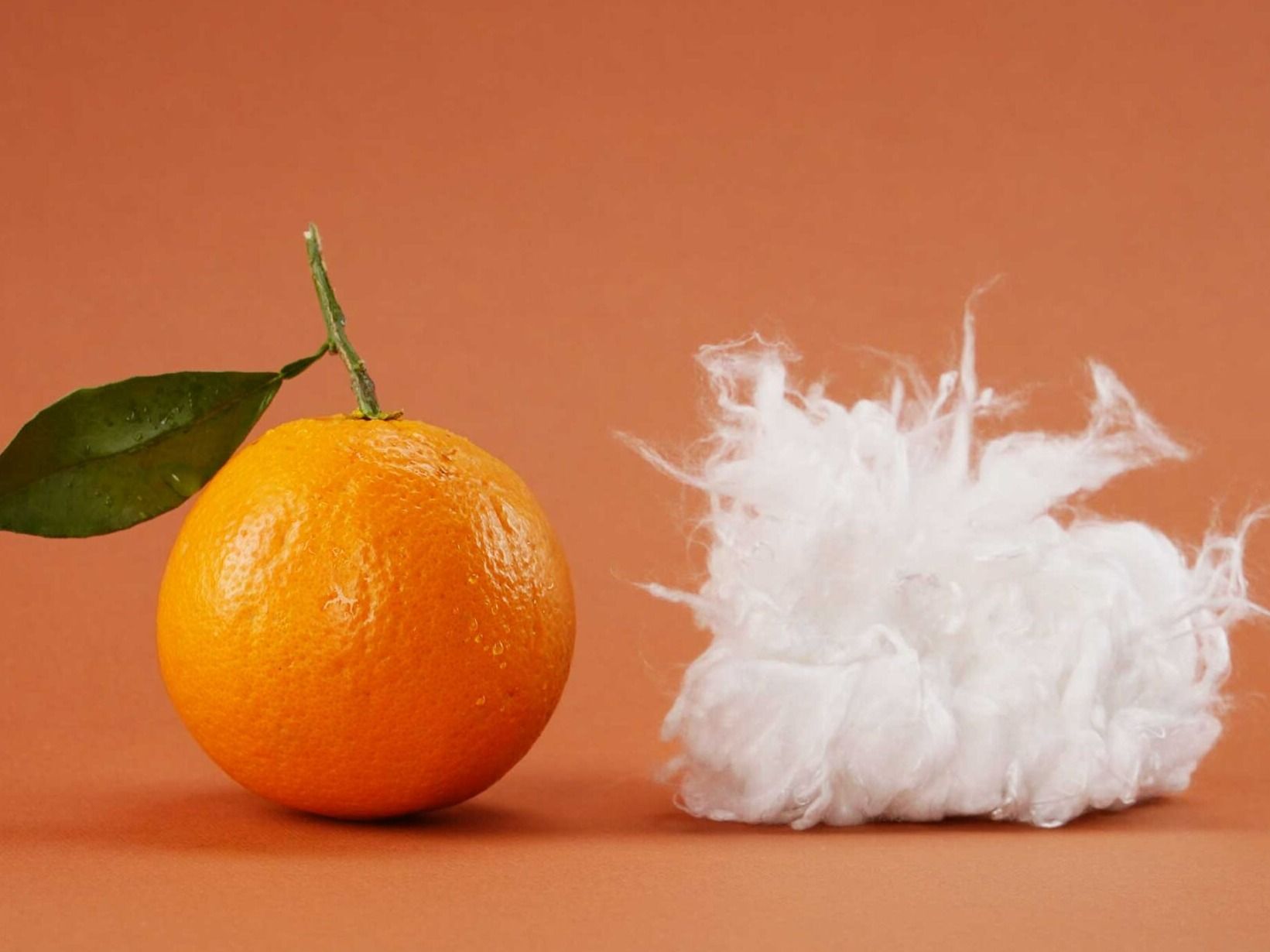
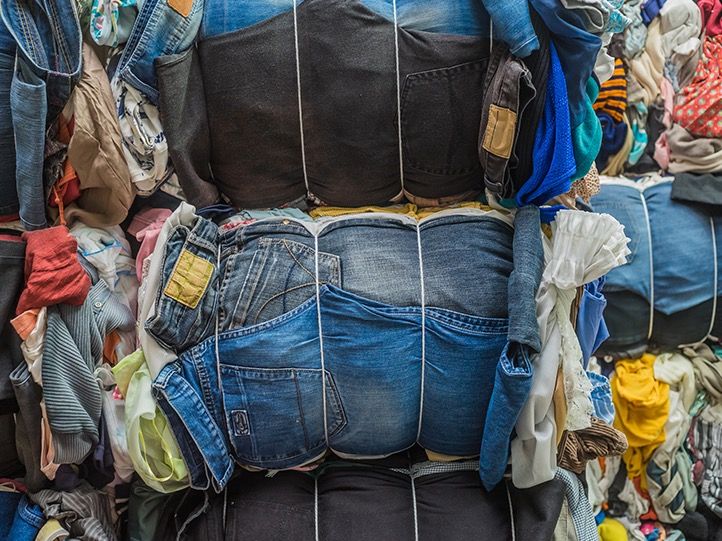
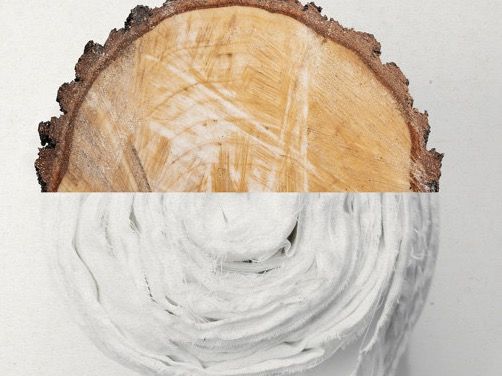
The Finnish company Infinited Fiber produces chemically-recycled super fibre Infinna from cellulose-rich waste - such as old textiles, used cardboard or crop residues - that would otherwise be incinerated or landfilled. The high-quality fibre looks and feels like cotton and is known scientifically as cellulose carbamate fibre. Non-cellulosic particles like polyester, elastane and dyes are cleaned out by the process in which urea reacts with the cellulose, leaving a fibre that is more sustainable than conventional cotton, polyester or viscose. The fibre also has unique qualities like antimicrobial properties and superior dye uptake whilst being biodegradable and free of microplastics.
Companies like H&M Group, Patagonia and Adidas have invested and signed deals with the Finnish company, which expects to have its factory operational in 2024 with an annual production capacity of 30,000 metric tons. In the latest funding round from July 2021, the company raised 30 million Euros from well-known brands for further investment in their flagship factory and production capacities.
Problem
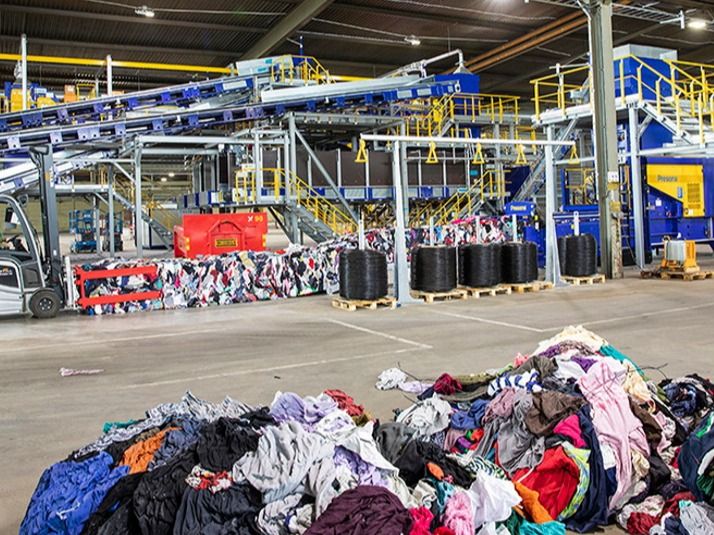
Infinited Fiber addresses the emissions-intense end of life of textiles waste. Textile waste recycling will become mandatory in the EU by 2025, and currently, most textile waste is downcycled or sent to landfills.
Solution
Infinited Fiber addresses this problem by developing a closed-loop textiles waste recycling for cellulose-based fibres, producing innovative regenerated fibres. It also has the flexibility to use different types of waste feedstock, such as waste food crops and cardboard waste.
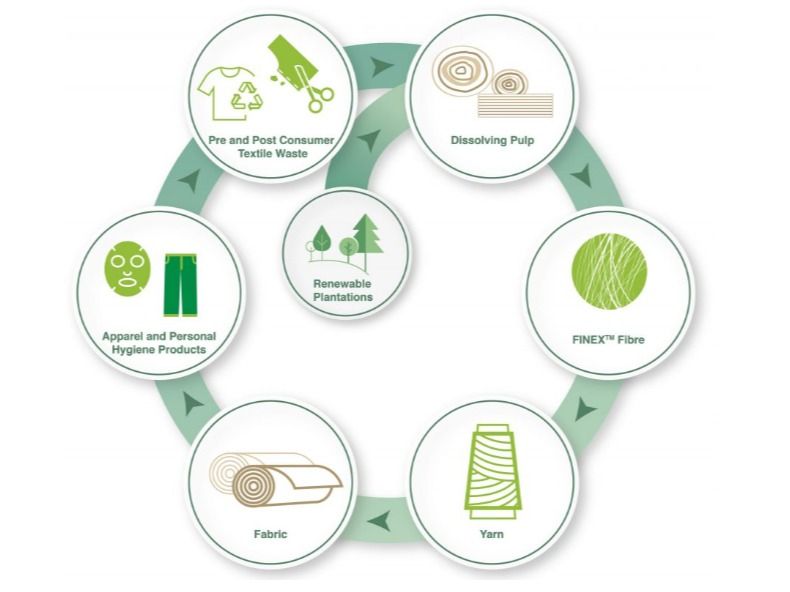
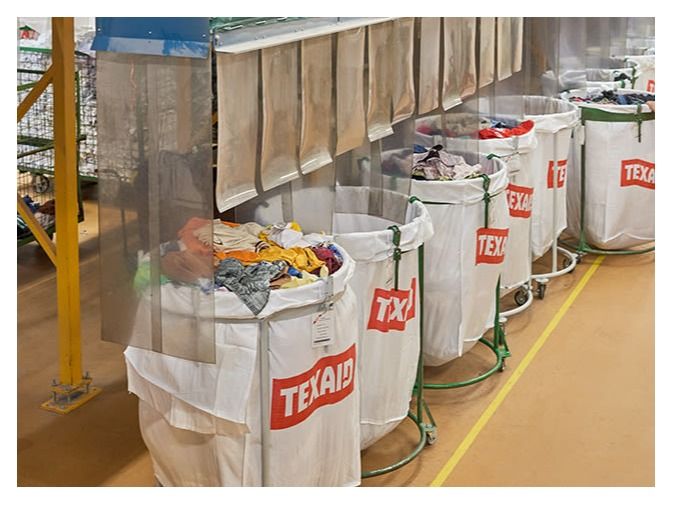
Infinited Fiber collects and sorts textiles waste by type. Hardware parts are removed from apparel, and then the fabrics are disintegrated into fine shreds. Cellulose fibres are separated from other fibres, and they are activated with urea and become cellulose carbamate powder. The cellulose powder is then turned into a liquid, and impurities are removed. A new fibre filament is produced when the cellulose crystallises, the outcome of the wet–spinning. The fibre filament is then cut, washed, and dried, giving it a new life as Infinna, ready to be manufactured into a garment, good as new!
Outcome
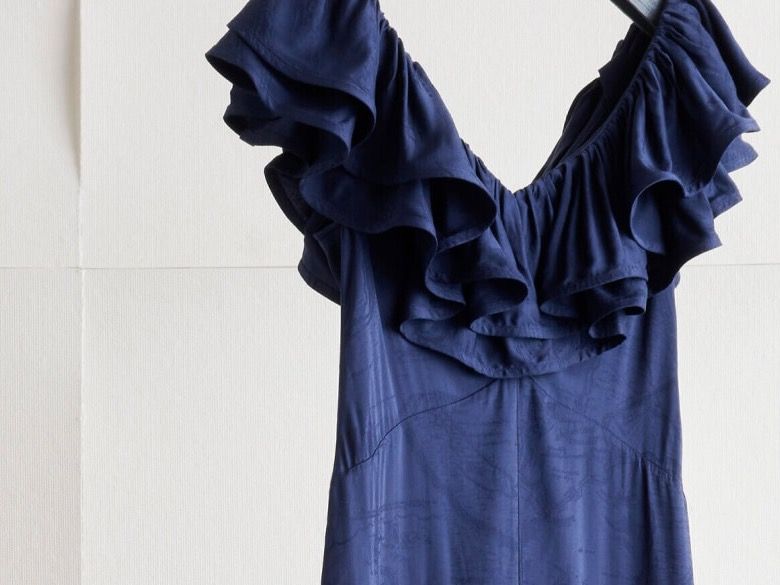
Super fibre Infinna has qualities similar/superior to cotton, and it is completely recovered from waste, avoiding the need for incineration and landfilling of textile waste.
Location
Industries
Involved organisation(s)
Key elements of the circular economy
Attachments and links
Contributors
Owner
Contributor
Contributor
Date added: Aug 5, 2021
Last updated: Jan 6, 2023
More from the contributors



Add your content
Strengthen the circular economy knowledge base by adding a report, case study, publication, or other resource to our platform!