Explore by topic

Social Cooperative Humana Nova: empowering the local community by producing innovative recycled products.
Last updated: Mar 3, 2023
Summary
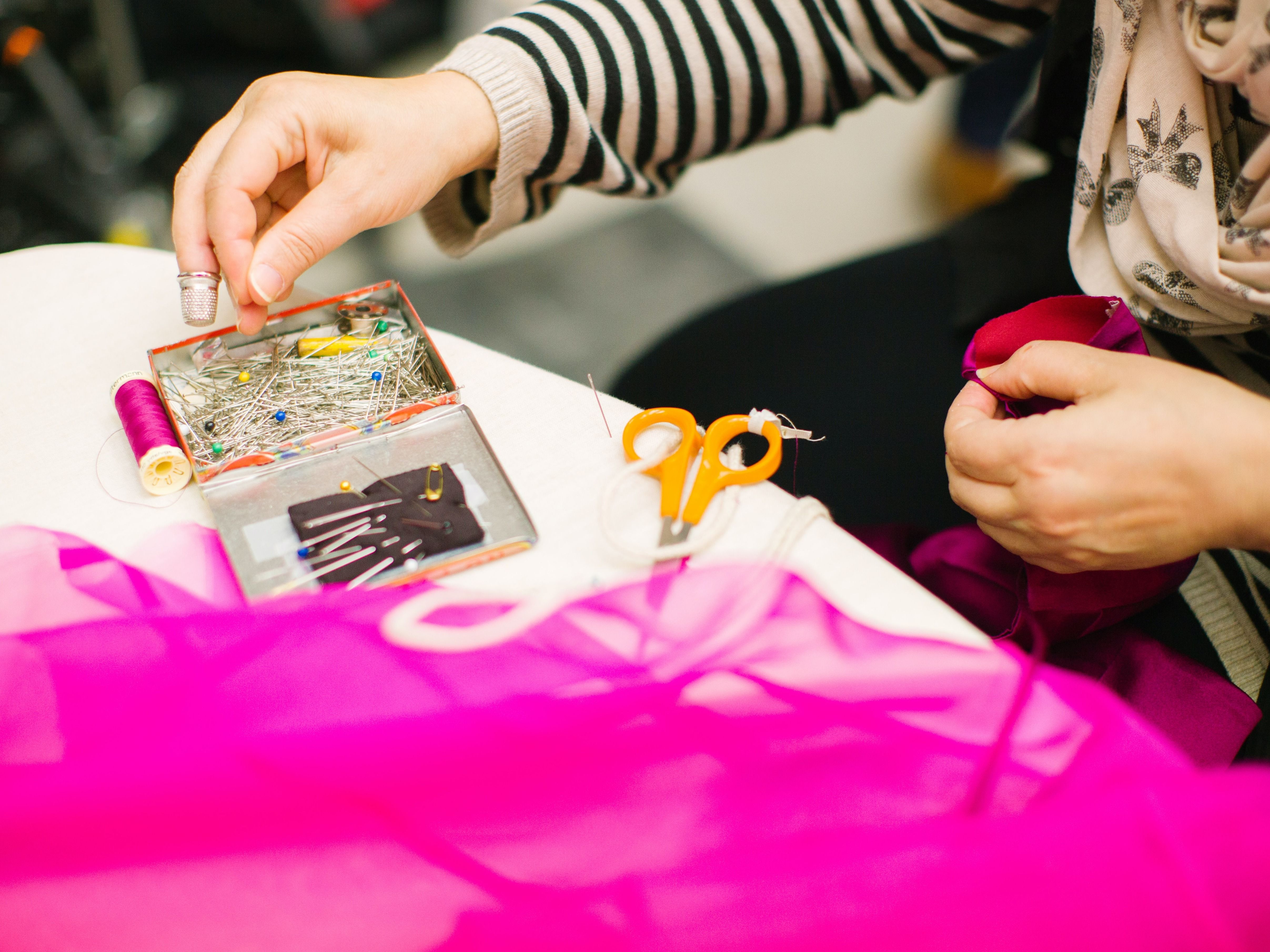
Humana Nova encourages the employment of disabled and other socially excluded people for the production and sale of quality and innovative textile products made from ecological and recycled fabrics for local and regional markets.
In this way, the cooperative actively contributes to the sustainable development of the local community, diminishing poverty and contributing to nature conservation and improved waste management.
Problem
The economic potential of clothing and footwear waste is not adequately recognized in Croatia. Of the 52,000 tonnes of textile waste collected in 2016, only 4% was recycled. The issue is increasingly recognized by local and national authorities. Under the national 2017–2022 waste management plan, as of 2022, around 50% of the total amount of specific types of waste is to be sorted, including textile waste.
Solution
Social Cooperative Humana Nova Čakovec is a leader in social entrepreneurship at the local and regional levels. Humana Nova encourages the employment of disabled and other socially excluded people for the production and sale of quality and innovative textile products made from ecological and recycled fabrics for local and regional markets. Its products respond to the actual needs of users.
In so doing, the cooperative actively contributes to the sustainable development of the local community, poverty reduction, and nature conservation.
Used clothing is mostly collected in North-Western Croatia and sorted in a Humana Nova production facility according to the following criteria:
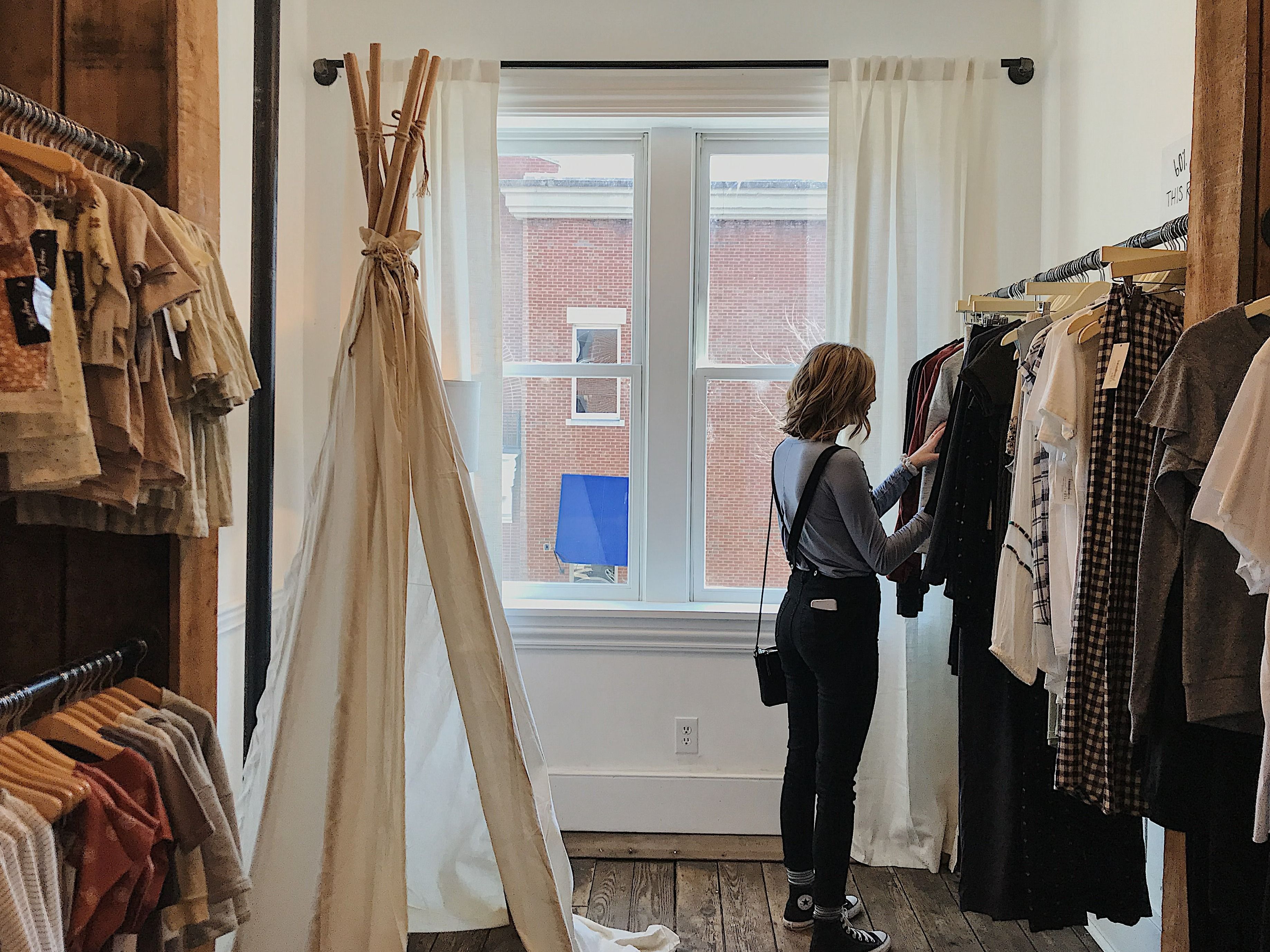
- Clean and whole clothing is sent to the greenware store Čakovec for resale at affordable prices (4 EUR/kg);
-Clean and partially whole clothing is sent to sewers for refinement, then sold at the warestore;
-Incomplete clothes are turned into new products (bags, etc.);
-Worn and stained clothing is recycled as industrial rags;
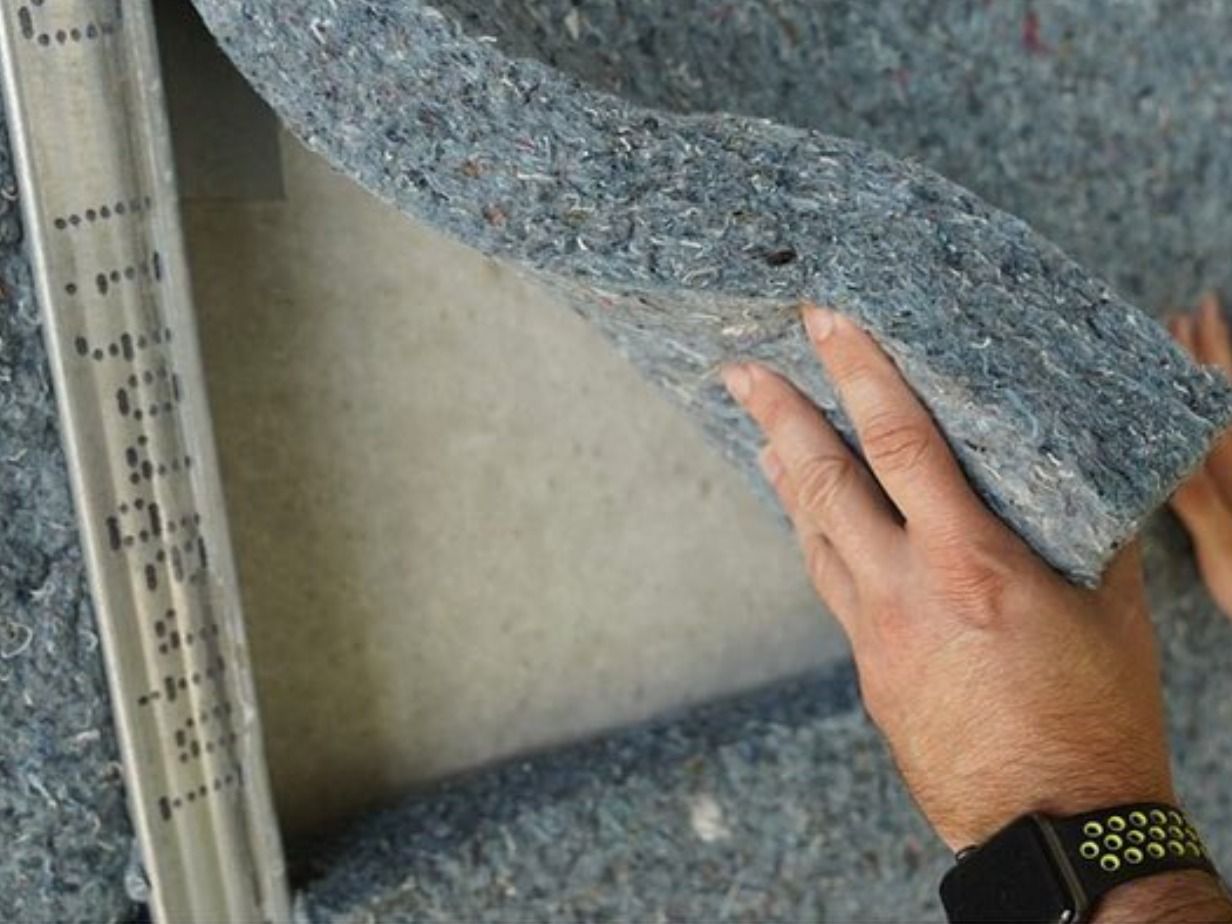
-Unusable textiles and waste are passed on to recycling plants to make insulation material;
-Insulation material is used for packaging.
Outcome
According to Humana Nova, the collection, sorting, and recycling of textiles have the following impacts:
- Reduced landfill disposal, which directly affects climate (e.g. woolen clothing does not decompose, but produces methane);
-Reduced textile production;
-The reduced impact of transportation on environmental pollution, as clothing is mostly collected, sorted, and distributed locally;
-Less burden on household budgets due to less expensive textile products and clothing
In addition, they also have:
-Collected 340.000 kg of clothing and footwear in 2019, 2.000 tonnes collected in the past 5 years;
- Employed 30 employees (19 with disabilities, 2 Roma, 5 long-term unemployed women, 1 low-educated woman, 1 single mother, and 1 manager with an economics degree)
Location
Industries
Involved organisation(s)
Key elements of the circular economy
Attachments and links
Contributors
Owner
Contributor
Contributor
Date added: Jan 6, 2021
Last updated: Mar 3, 2023
More from the contributors


Add your content
Strengthen the circular economy knowledge base by adding a report, case study, publication, or other resource to our platform!