Explore by topic

Oshadi Collective : A regenerative fashion initiative, mindfully building a seed-to-sew supply chain in rural India.
Last updated: Oct 4, 2022
Summary
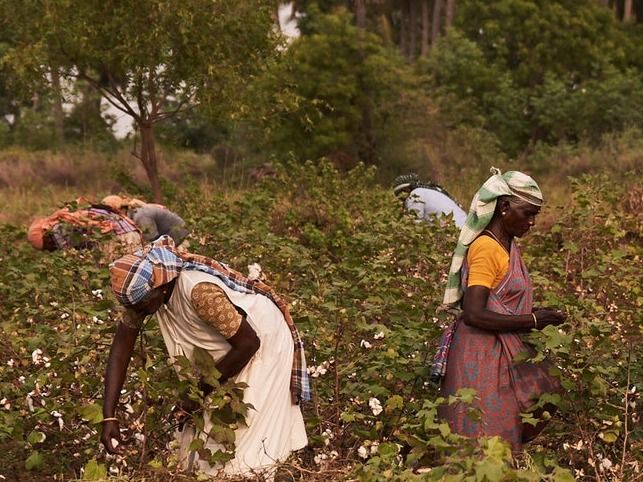
Oshadi works with a collective of local farmers and artisans to make fashion that honours the hands of its makers and nurtures the lands where it is grown.
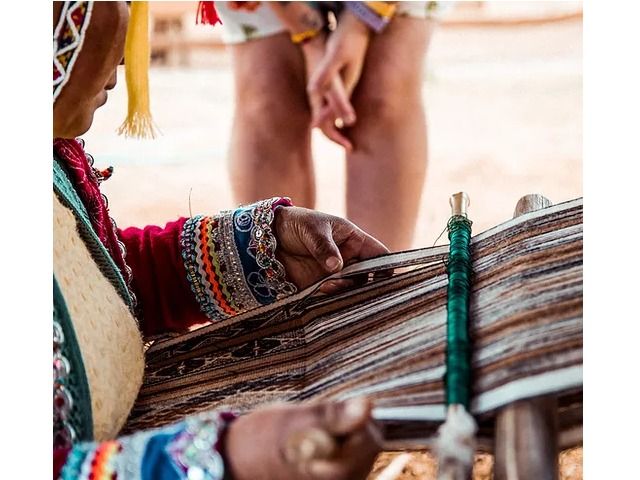
Their collections are sourced, spun, naturally dyed, woven, printed and sewn in the villages neighbouring their farm, so they can ensure every stage of production is sustainable and fair.
Problem
One defining feature of fashion today is a disconnect between brands, buyers, and the many pairs of hands who make their clothes. Designers often don’t know where their raw materials come from or who farms, spins, and sews their textiles. This absence of human connection allows the exploitation of both people and the planet to slip by unnoticed.
Solution
Ōshadi is building their own self-sufficient supply chain, rooted in ancient wisdom and artisanry. Each fabric tells the story of those who helped to make it a reality. They go beyond certifications to offer a truly transparent model that inspires a respectful relationship to the lands and hands behind every product.
Regeneratively Grown Materials
They help their partners leave a positive impact on the planet. They grow cotton and indigo on their own farm using restorative practices, putting nutrients back into the soil and increasing its ability to capture carbon–in turn improving the biodiversity of the ecosystem.
Radically Transparent Process
Every step of the production process is carried out by the collective.They employ local people on their own terms instead of navigating different suppliers and middlemen, meaning they can uphold the highest ethical and environmental standards. Everyone know exactly where the materials have come from and who made them.
Fairly Distributed Profit
The true cost of fashion production all too often falls on those lowest down the supply chain, including farmers, mill workers and artisans. At Oshadi, they are redesigning this system from the ground up. Their farmer-first format lets the farmer decide the price of the cotton, rather than the buyer. From there on, they make sure all profit is distributed fairly.
Industries
Involved organisation(s)
Key elements of the circular economy
Attachments and links
Contributors
Owner
Contributor
Date added: Aug 15, 2021
Last updated: Oct 4, 2022



Add your content
Strengthen the circular economy knowledge base by adding a report, case study, publication, or other resource to our platform!