Explore by topic

Santiago's electric buses
Last updated: Dec 28, 2023
Summary
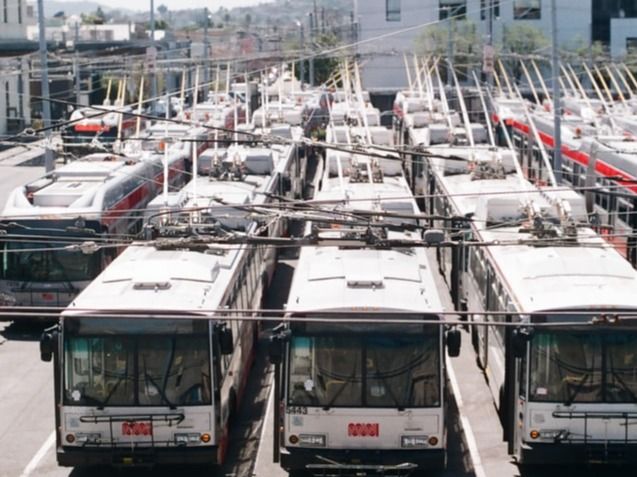
Santiago, Chile, has expanded its fleet of electric buses to more than 400. This has resulted in significant reductions in greenhouse gas emissions and pollution, and has improved opinion of the bus system among riders.
Problem
The city of Santiago, Chile’s capital, has a blossoming economy and strong mining industry, and because of this, the city is growing at a rapid pace. This growth also means that the city is becoming increasingly polluted. In fact, the city was one of the most polluted capital cities in Latin America. Smog has become a serious problem for Santiago’s residents—in 2016, a state of environmental emergency was declared as air quality ‘reached alarming levels’.
Solution
Since then, the city has launched a programme to address these challenges and intended to increase the number of electric vehicles by ten within a two-year period. By March 2020, the city has launched a fleet of more than 400 electric buses, charged partially by solar power. The city has set a target of full electrification by 2035. Residents have also been incentivised to switch to more energy efficient vehicles through exemptions from environmental taxes and traffic restrictions.
Outcome
Since the beginning of 2019, Santiago is home to the largest fleet of electric buses outside of China. This fleet is estimated to have reduced greenhouse gas emissions by 20,630 tonnes of CO2e.
Although the city faces some barriers (such as insufficient charging infrastructure), the policies have shown some early success: fare dodging on buses has been reduced by 6.5% since the introduction of the electric fleet, for example, as residents recognise the health and environmental benefits of electrified public transport.
Location
Industries
Involved organisation(s)
Key elements of the circular economy
Attachments and links
Contributors
Owner
Contributor
Contributor
Date added: Dec 1, 2020
Last updated: Dec 28, 2023
More from the contributors



















Add your content
Strengthen the circular economy knowledge base by adding a report, case study, publication, or other resource to our platform!