Explore by topic

Mexico City: Secretariat for Rural Development and Equity for Communities
Last updated: Jan 17, 2025
Summary
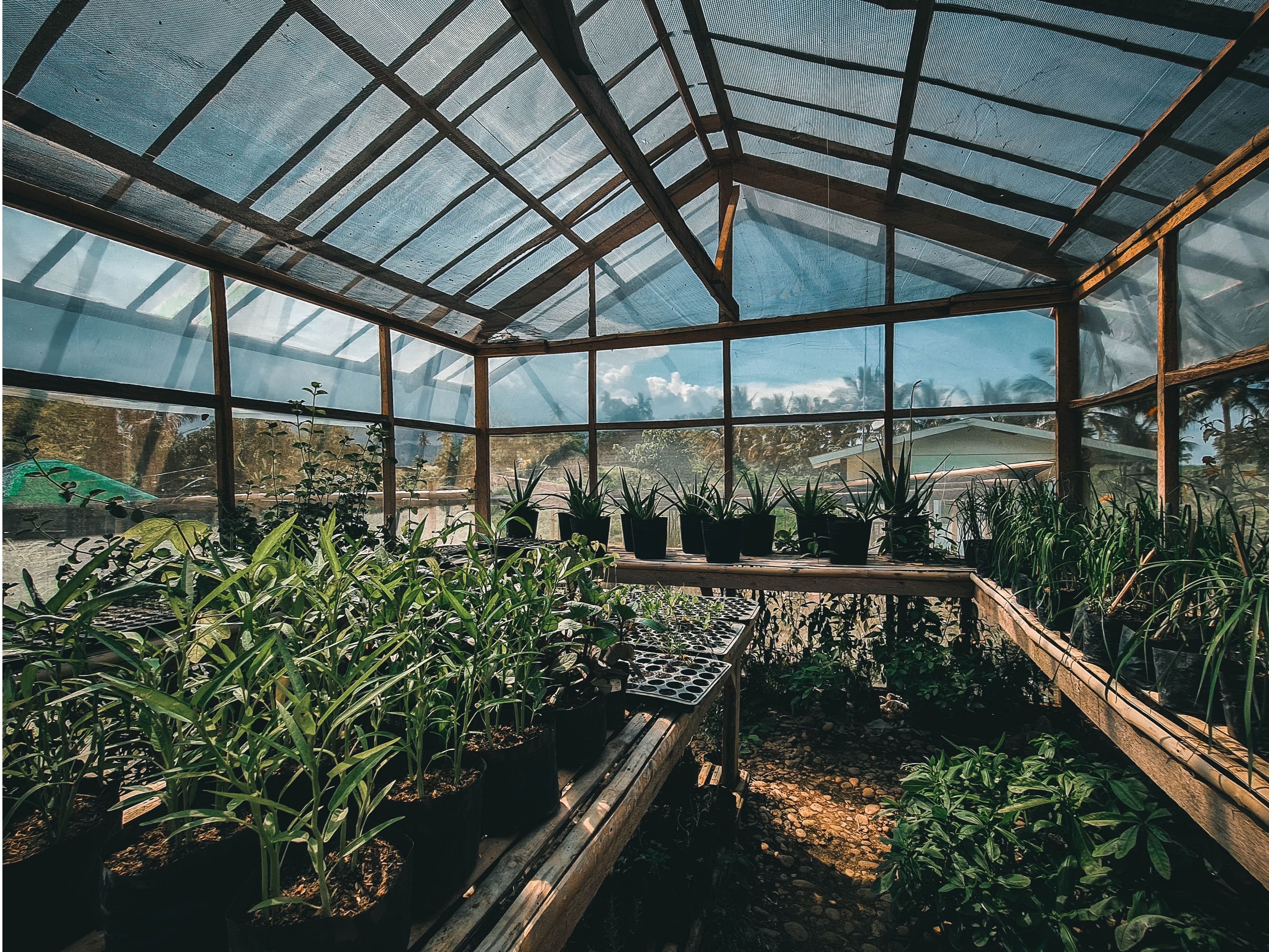
For the last two decades, the local government of Mexico City has implemented a number of measures intended to bolster local urban and suburban agriculture. In 2007, the Secretariat for Rural Development and Equity for Communities (SEDEREC) was created, which focuses on protecting ecosystem services and ensuring a local food supply that is agrochemical-free or entirely organic. More specifically, it aims to improve production planning, training, technology development, agro-processing and marketing, supported by funds from the federal government of Mexico. These funds support farmers impacted by emergency events (droughts and floods), as well as horticulture, crop production and conservation practices. The programme also facilitates the maintenance of traditional food culture, and promotes the local production of staples like maize, fruits and vegetables as well as medicinal and ornamental plants. One successful output of the project was the publication of a guide to Mexico City’s medicinal plants, to encourage growth and use. Another investment of approximately five million euros—in 2,800 urban agriculture projects—directly benefited over 15,000 residents, who were supported in creating home gardens.
Problem
Mexico City’s Federal District, home to millions of people, is supposedly protected from urbanisation—although this is not truly the case; residential land in the area is lacking, and almost one-third of residents of the Federal District are living in poverty, lacking both access to health services and basic housing. Close to 1,000 informal settlements have been built in the area, increasingly putting natural habitats at risk.
Solution
The Federal District is promoting sustainable, ecosystem-based agriculture in rural regions as well as local urban food production in Mexico City to combat the negative environmental impacts of urbanisation and ensure food supply. In 2007, a decisive step was taken through the creation of SEDEREC, a government organisation facilitating a shift to agrochemical-free and organic urban and peri-urban food production. The programme intends to improve agricultural systems by targeting production planning, training, technology development, agro processing and marketing. It also aims to promote traditional food culture, consequently aiding rural farmers in entering national and international markets. The programme has seen the creation of an organic certification standard, called the Green Seal, and promotes local production of maize, vegetables, fruit, nopal, fodder, medicinal and ornamental plants.
Outcome
SEDEREC’s programmes are ever evolving; but since the organisations founding has seen success in some arenas; for example, a guide has been published on Mexico City’s medicinal plants to encourage their growth, and large investments to the order of five million euros have been made in 2,800 urban agriculture projects, which has directly benefited thousands of Mexico City residents.
Location
Industries
Key elements of the circular economy
Attachments and links
Contributors
Owner
Contributor
Date added: Nov 27, 2020
Last updated: Jan 17, 2025
More from the contributors




Add your content
Strengthen the circular economy knowledge base by adding a report, case study, publication, or other resource to our platform!