Explore by topic

Blue Adaptation: Ocean-Inspired Swim and Activewear
Last updated: Sep 14, 2022
Summary
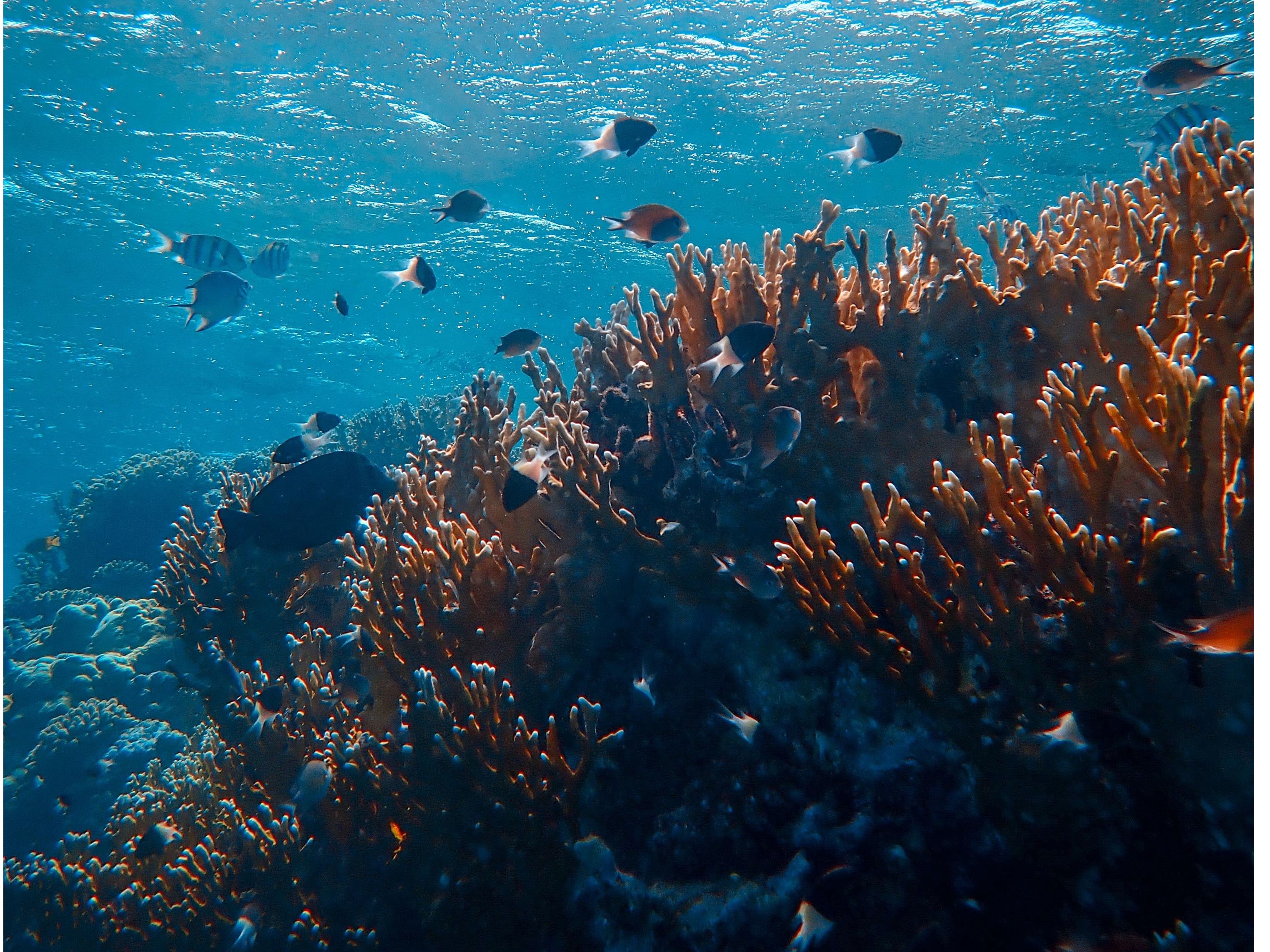
Blue Adaptation offers environmentally conscious, UV protective, swim & activewear inspired by nature. Their printed apparel features reproductions of some of the most wonderful creatures in the sea, each piece set apart by exclusive animal prints that mirror the underwater world.
Problem
- To produce a t-shirt, 2,700 liters are needed, which is the amount of water that an average person drinks over the course of 900 days.
- Abandoned nets have the tendency to be extremely destructive and often produce a devastating loss when discarded in the ocean; they kill coral and entangle any marine life that crosses its path.
- 1.7 million tons of various chemicals are used in the dyeing process; not to mention dangerous chemicals like PFCs that leave a permanent impact on our environment.
Solution
Blue Adaptation cares about the life cycle, the message and the footprint of each of its products. They try to lead with sustainable solutions that increase ecological awareness, while also valuing ethics and impact over the bottom line.
Among its solutions are:
Recycled polyester
Their recycled polyester offerings are comprised of post-consumer plastic bottles. A resulting yard of this fabric is equivalent to approximately 15 plastic water bottles, each of which has been recycled from the millions of bottles in the waste stream, then re-purposed into quality yarn. This regeneration process uses significantly less water consumption in comparison to virgin production and the results are remarkable; luxe high-performance Italian fabric with the added benefit of sun protection, UPF 50+ to be exact.
Regenerated nylon
Their offerings are comprised of ghost fishing nets and other nylon waste that have been recycled and re-purposed into ECONYL® yarn. This product reduces the amount of global waste by recovering it from oceans and landfills and feeding it back into the production cycle.
Organic fiber
A wide selection of tank tops and t-shirts are made from environmentally friendly Global Organic Textile Standard certified bamboo and cotton. Bamboo is also considered one of the fastest growing renewable resources, naturally resistant to insects, and requires less water to grow and less dye to process.
Waterless dye process
Their wet-dry performance apparel comes to life by using a waterless digital print process called dye-sublimation. Digital dye-sublimation is considered one of the most environmentally friendly. Unlike other printing methods which require large amounts of H2O resulting in toxic chemical pollution & waste, dye sublimation is a dry heat process that turns solid ink directly into a gas – the ink transfer requires absolutely no water for dyeing.
Outcome
All of its packaging is made of ecological, reusable, biodegradable, compostable, and/or recyclable materials. There is still work to be done, but they strive to be as transparent as possible throughout the process. They are a slow fashion brand, producing only what is necessary to meet demand.
They’ve also introduced a charitable program called “Prints with Purpose”, where awareness is raised for important causes, an associated capsule collection is designed, and then up to half (50%) of the proceeds are donated to dedicated organizations making a difference in those areas. “Save the Vaquita” is the first initiative within the program, highlighting the critically endangered vaquita porpoise and directly supporting the impactful work of the Sea Shepherd Conservation Society.
Location
Industries
Involved organisation(s)
Key elements of the circular economy
Attachments and links
Contributors
Owner
Date added: Sep 13, 2022
Last updated: Sep 14, 2022
More from the contributors


Add your content
Strengthen the circular economy knowledge base by adding a report, case study, publication, or other resource to our platform!