Explore by topic

OceanSafe - Textile technology company creating biodegradable, compostable and toxin-free textiles
Last updated: Aug 5, 2022
Summary
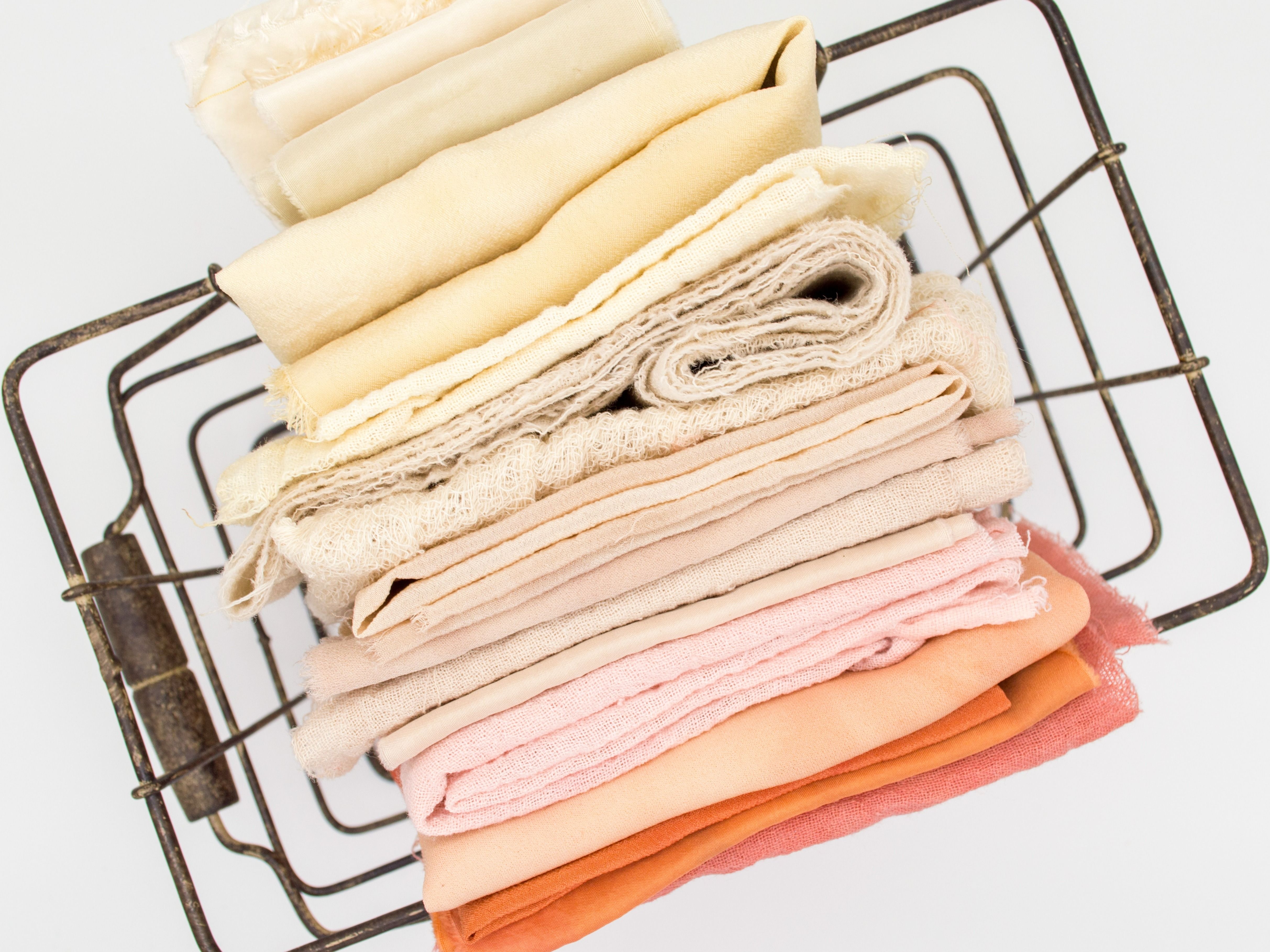
OceanSafe is a textile technology company offering a proprietary solution for circular, toxin-free, biodegradable, and compostable textiles through a licensing business model, which follows the Cradle to Cradle product design philosophy.
Their textiles are 100 percent recycleable and safe for biological cycles in industrial composting, as well as manufactured using at least 50 percent renewable energy.
Problem
As the global demand for textiles increases, so do the potential environmental impacts resulting from their production, use and disposal.
The industry is estimated to contribute to 20 percent of the world's water pollution, 80 percent of world's waste, and generating 1,200 million tons of CO2 per year.
In addition, microplastics from synthetic fibres are also a major source of the more than 8 million metric tonnes of microplastics, which end up in the world’s oceans each year.
Solution
In 2019, CEO of Deco Design Fürus GmbH founded OceanSafe AG, a new company created to responsibly design and make materials that are safe for humans and the environment, especially the oceans.
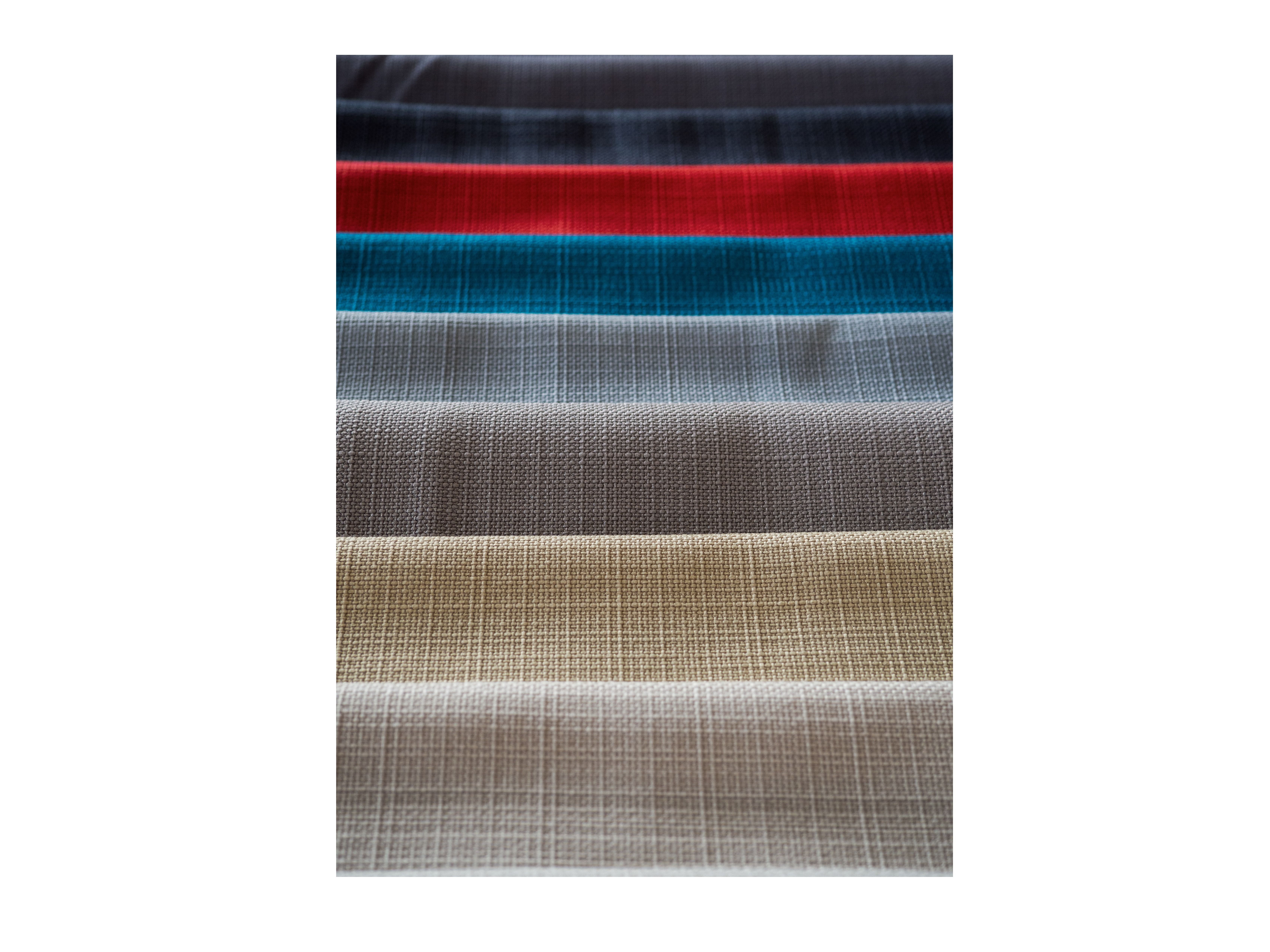
Textile fabrics are made with a blend of 100 percent organic cotton, hemp, linen, and a ‘biodegradable co-polyester’, which can be recycled at the end of its useful life. The fabrics are also manufactured using at least 50 percent renewable energy.
Clients, typically textile brands and retailers, can use the company's Textile Component Kit to develop their unique products, which will carry the OceanSafe Quality Seal. The seal shows that the products comply with all of OceanSafe standards (fully circular, compostable, toxin-free). They also have a product return system in place to close the loop with their brand and retail partners.
Outcome
OceanSafe has created an exemplary production model that addresses all aspects of circularity from material health to social fairness.
They contribute to avoiding waste of textile products, reduces CO2 emissions and energy use.
Location
Industries
Involved organisation(s)
Key elements of the circular economy
Attachments and links
Contributors
Owner
Contributor
Date added: Jul 25, 2022
Last updated: Aug 5, 2022
More from the contributors


Add your content
Strengthen the circular economy knowledge base by adding a report, case study, publication, or other resource to our platform!