Explore by topic

ECOCITEX: Recycling clothes to create yarn in Chile
Last updated: Dec 28, 2023
Summary
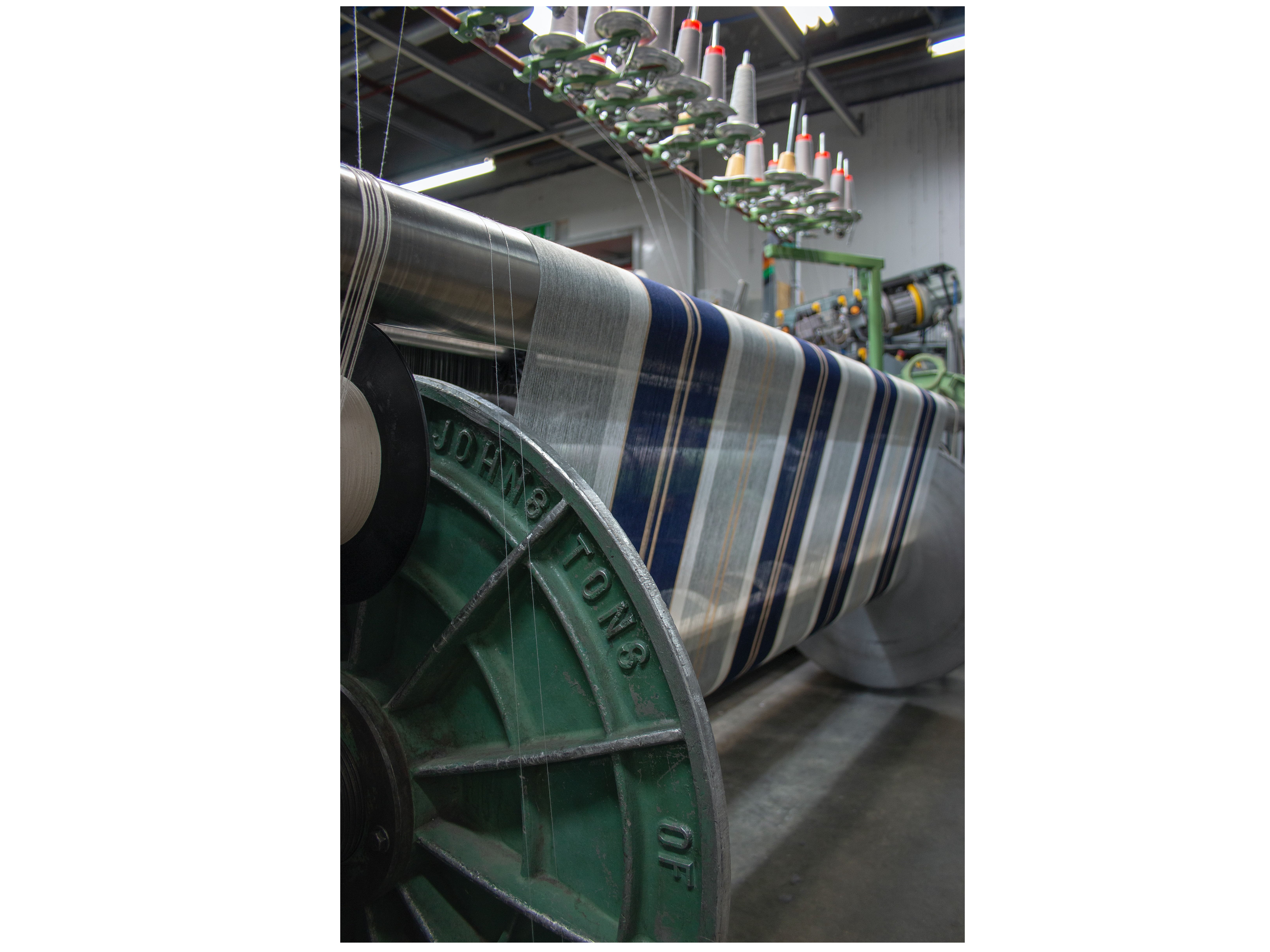
Ecocitex is a recycling and reuse company that produces 100% recycled yarn, this is made from garments in poor condition collected and recycled in Chile. In their process, they do not use water or dyes. In addition, they seek to positively impact the community and the environment, generating employment opportunities for women in social insertion and donating clothes and threads to people in vulnerable situations.
Problem
According to figures from Global Fashion Revolution, the textile industry is the second most polluting, responsible for 20% of industrial water pollution, and 73% of "Fast Fashion" clothing ends up directly in landfills. Chile is the largest importer of second-hand clothing in the world. In addition, the largest consumer of clothing in Latin America, with an average purchase of 50 new garments per year per person. It is estimated that 39,000 tons of highly polluting clothing are discarded annually in the desert.
Solution
Ecocitex is an initiative that starts in early 2020 with the aim of eliminating textile waste from Chile, recycling clothing that is not suitable for reuse, and transforming it into a high-quality product. According to the study carried out by USACH, Ecocitex mitigates 5.8 tons of carbon dioxide equivalent for each ton of clothing they recycle, with the help of women in social reintegration they manage to isolate the pins, labels, and buttons to separate this textile waste by color.
In its collection center, they receive more than 1 ton of clothing per week, among which are textile discards from people, enterprises, and companies, then they are classified, the one that is in good condition is donated or sold, and the fabrics that can be rescued are transformed and only the clothes that are in poor condition are recycled.
Outcome
Ecocitex is in the process of being certified as a B Company, in order to be able to use the tools of this program and continue to grow in the products already created and develop a line of rescued textile products made with its yarn, in order to provide a source of income to more people, especially microentrepreneurs and women in social reintegration, who can carry them out from their homes.
Location
Industries
Involved organisation(s)
Key elements of the circular economy
Attachments and links
Contributors
Owner
Date added: Aug 8, 2022
Last updated: Dec 28, 2023
More from the contributors

Add your content
Strengthen the circular economy knowledge base by adding a report, case study, publication, or other resource to our platform!