Explore by topic

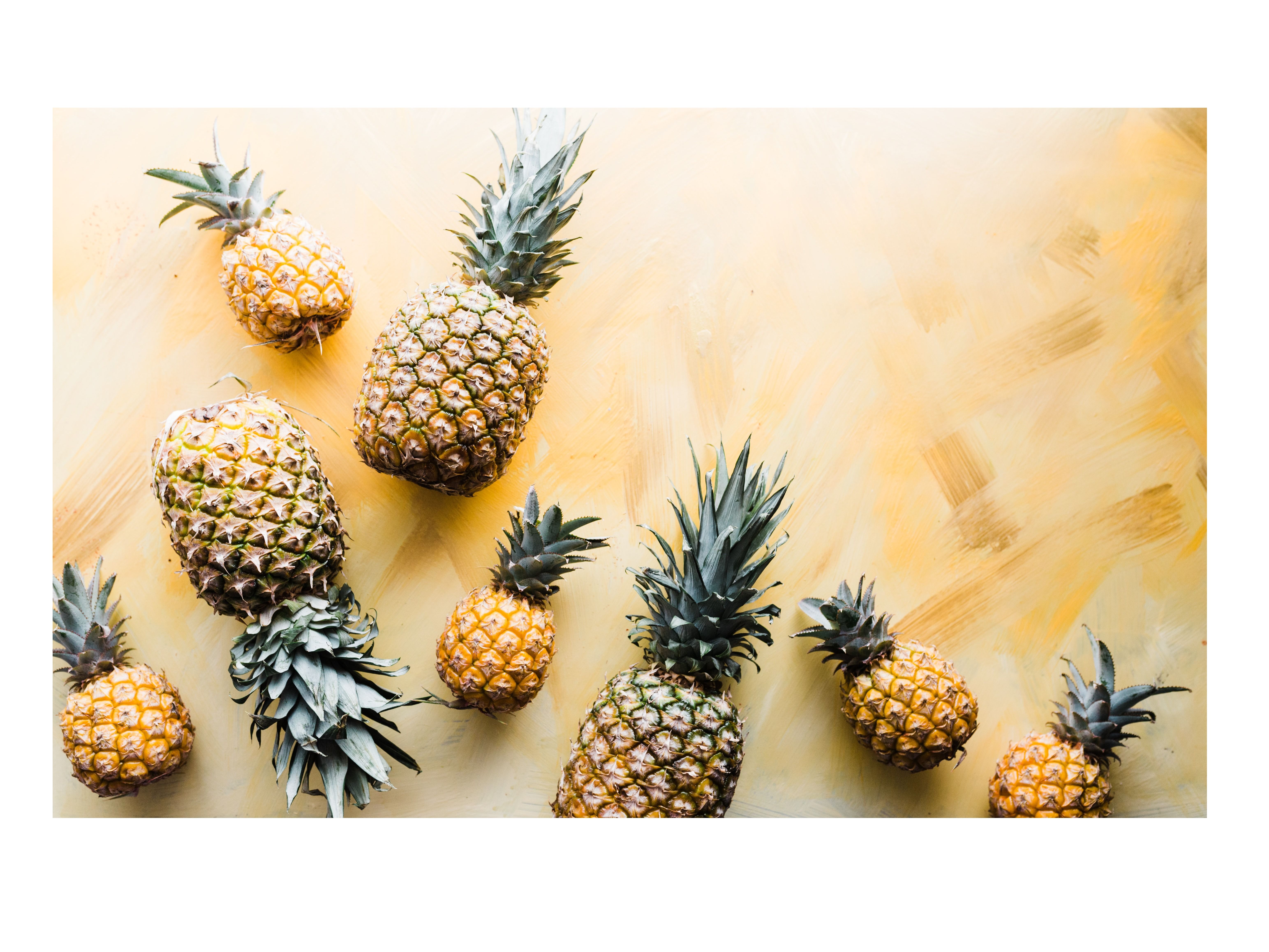
Pineapple shell used as a new textile material in Italy
Last updated: Sep 12, 2022
Summary
Vérabuccia is an Italian brand, which has devised a new type of material, patenting "Ananasse". Through an industrial production process in which the pineapple shell is used to produce a vegetable fabric that acquires application characteristics such as those of a traditional fabric or leather, maintaining the initial aesthetic appearance of the vegetable shell.
Problem
Pineapple production is approx. 24.8 million tons where only 60% is used. 10,000,000 t of pineapple produced and abandoned on the ground with the consequent and continuous emission of harmful gases into the air. In Italy with an import of approx. 130 thousand tons in the year, it is the second most consumed exotic fruit, with generalized processing for IV and V range products.
Solution
Through an industrial process that reuses the organic shell of the pineapple fruit, a material with a scaly surface is obtained, visibly similar to the animal leather of a reptile, and after an industrial production process (patented), it acquires new characteristics, such as rot-proof, robust, flexible, prerogatives that are not present in an organic peel in nature, which allows the material to be drilled, sewn and colored in various shades like a traditional material.
The characteristic of Ananasse is its aesthetics: unlike what happens with "fabrics or skins of plant origin" on the market, whose manufacturing processes (crushing, kneading, extrusion, lamination, etc.) tend to imitate real fabrics or skins of animals, Ananasse keeps intact the initial visual appearance of a pineapple shell; It also represents a possible alternative of plant origin, respectful of the environment and its species (cruelty-free), as a by-product obtained from the processing remains of the pineapple fruit.
Outcome
Vérabuccia is a new type of material and, therefore, unknown on the market, but it aims to consolidate itself over time by creating its own segment, along with the types already present, such as fabric and leather.
Location
Industries
Involved organisation(s)
Key elements of the circular economy
Attachments and links
Contributors
Owner
Date added: Aug 24, 2022
Last updated: Sep 12, 2022
More from the contributors

Add your content
Strengthen the circular economy knowledge base by adding a report, case study, publication, or other resource to our platform!