Explore by topic

NEFFA: automated production technology to create custom mycelium-based textiles in the Netherlands
Last updated: Apr 28, 2023
Summary
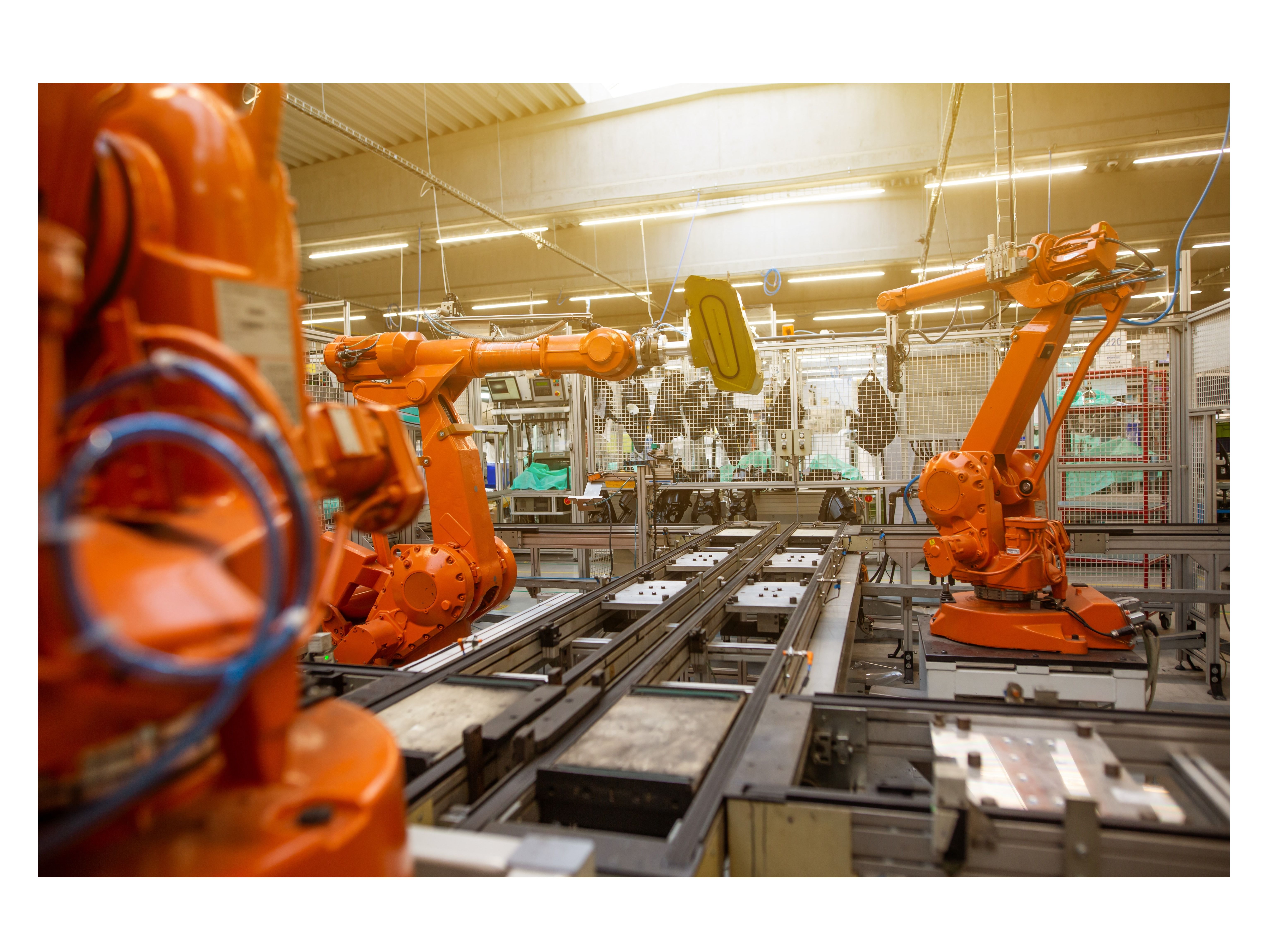
NEFFA is a research, design, and development company. They use a unique method in 3D manufacturing and specialize in fashion innovation and the development of personalized textile products based on newly developed materials and production techniques, made from mycelium (mushroom roots).
Problem
According to the Ellen MacArthur Foundation, the fashion industry produces about 53 million tonnes of fiber every year, 70% of which ends up in garbage dumps, or is incinerated. Production of fiber is expected to reach 160 million tons by 2050. The global fashion industry is also the second-biggest consumer of water, according to the UN Environment Programme. It takes 3,781 liters of water--equivalent to the amount of water a person drinks over a period of three years--to make a pair of jeans, starting from the production of cotton to the retail delivery of the final product, the report stated.
Solution
NEFFA offers a solution of textiles made from mycelium and combines them with patented seamless production technology to create bespoke garments, enabling brands to set the latest trends while offering truly sustainable products.
The innovative manufacturing method provides several benefits to the environment:
•Reduce 10-30% of production waste compared to a conventional supply chain
• Water is reduced by 99.5%
• Due to local production, there is little transport
• 100% home compostable
• 0% of hazardous chemicals, pesticides, animals, or animal products
• On-demand production will save 10% of pre-production waste
• 0% water used for dyeing (from start to finish)
Outcome
NEFFA can work completely on demand, tailoring each item to size and taste, thus minimizing returns. They also create shapes and textures that could not be achieved with traditional methods, like MycoTEX, it does not need to be machine washed, just wipe clean. After use, they can be composted at home.
Location
Industries
Involved organisation(s)
Key elements of the circular economy
Attachments and links
Contributors
Owner
Contributor
Date added: Aug 24, 2022
Last updated: Apr 28, 2023
More from the contributors




Add your content
Strengthen the circular economy knowledge base by adding a report, case study, publication, or other resource to our platform!