Explore by topic

How Re:Lab is creating value from difficult-to-recycle plastics
Last updated: Jun 8, 2026
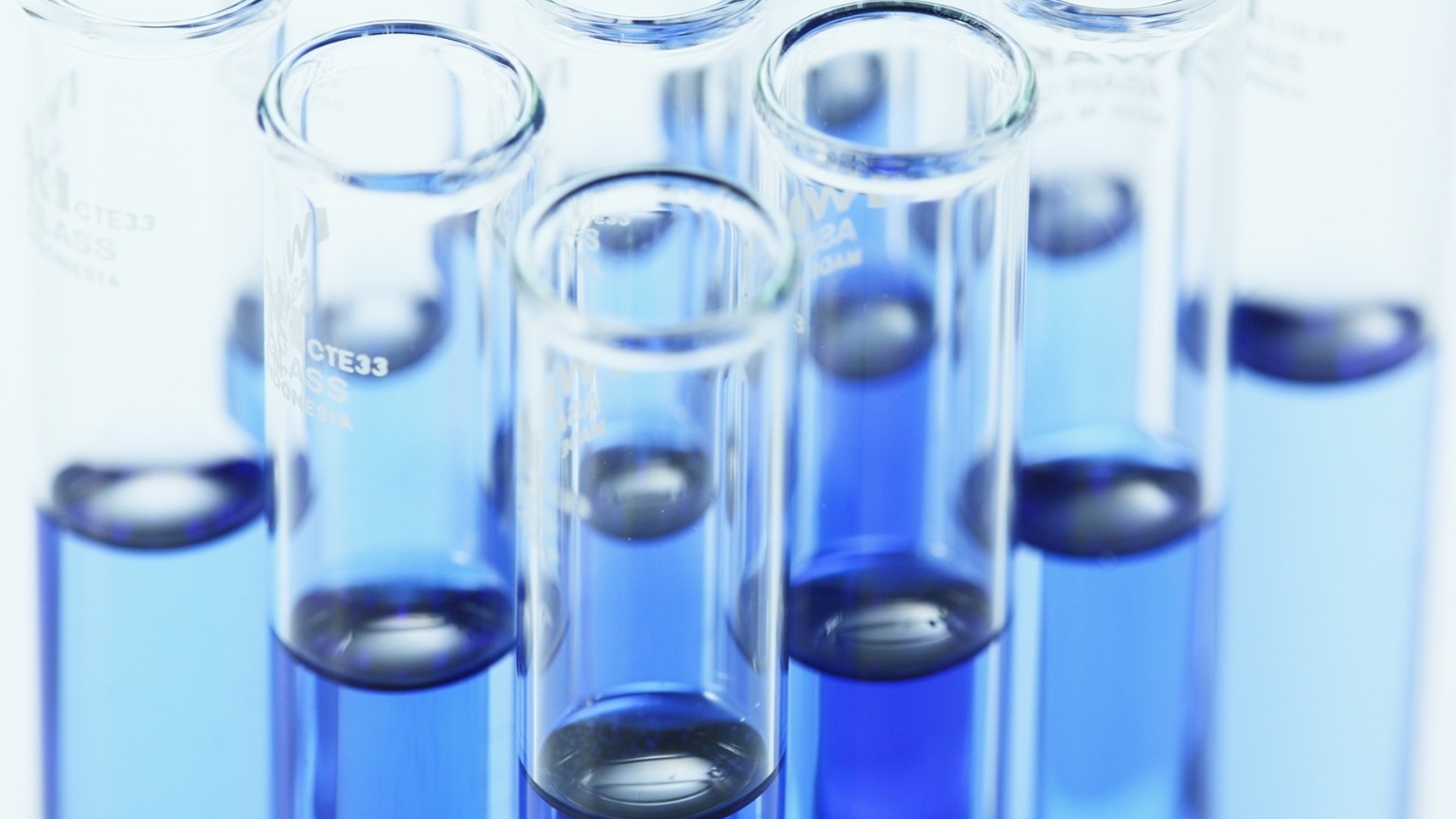
Photo from CircularInvest
Summary
Re:Lab AB is a Swedish company developing a chemical recycling solution for mixed plastic waste that cannot typically be recycled through conventional methods. By converting post-consumer plastics into renewable feedstocks for new chemical and plastic production, the company aims to reduce dependence on virgin fossil resources and prevent valuable materials from being incinerated or landfilled.
Problem
Plastic waste represents one of the most significant environmental challenges globally. Although plastic production continues to increase, only a limited share of plastic waste is effectively recycled. Mechanical recycling, the dominant recycling method today, is often unable to process mixed, contaminated, or degraded plastic materials while maintaining sufficient quality for high-value applications. As a result, large quantities of plastic waste are sent to incineration or landfill, contributing to carbon emissions and environmental pollution.
Incineration remains a common treatment route for non-recyclable plastics, particularly for mixed post-consumer waste streams. While energy recovery may offset some fossil fuel use, the process still releases substantial CO2 emissions and destroys the material value embedded in plastics. At the same time, the production of virgin plastics continues to rely heavily on fossil-based feedstocks, creating additional environmental pressures and locking the plastics sector into linear resource use patterns. A key challenge in transitioning to a circular plastics economy is therefore the lack of scalable technologies capable of recycling mixed and low-quality plastic waste into materials suitable for high-performance applications, including food-grade and medical plastics.
Solution
Re:Lab addresses these challenges through its proprietary Low Temperature Conversion (LTC) technology. The process chemically recycles non-halogenated mixed plastic waste at temperatures below 450-degrees celcius, converting it into high-purity syngas composed primarily of hydrogen and carbon monoxide. This syngas can then serve as a renewable feedstock for producing methanol, chemicals, or virgin-quality plastic monomers.
Unlike traditional recycling systems, Re:Lab’s process does not require extensive sorting of plastic waste streams before treatment. This significantly broadens the range of plastics that can be recovered, including materials that are difficult or impossible to recycle mechanically. By operating at relatively low temperatures compared with conventional thermochemical recycling technologies, the LTC process also aims to improve energy efficiency and economic feasibility. The resulting outputs are designed to meet virgin material standards, enabling their use in demanding applications such as food packaging and medical products. In doing so, Re:Lab supports closed-loop recycling pathways that retain material quality while reducing the need for fossil-based raw materials.
Outcome
Re:Lab demonstrates how advanced chemical recycling technologies can expand the circularity potential of the plastics sector by recovering value from waste streams that currently lack viable recycling pathways. By enabling mixed plastics to be transformed into reusable chemical feedstocks, the technology contributes to reducing landfill disposal and incineration while supporting resource efficiency and emissions reduction.
The solution also highlights the role of complementary recycling technologies within a circular economy. While mechanical recycling remains important for clean and homogeneous waste streams, chemical recycling technologies such as LTC can help address residual fractions that are otherwise difficult to recover. This creates opportunities for a more holistic and scalable plastics recycling system.
Overall, Re:Lab demonstrates how innovation in recycling infrastructure and material recovery can support the transition toward a low-carbon, circular plastics economy. By converting waste into high-value raw materials suitable for new plastic production, the initiative contributes to closing material loops, reducing reliance on virgin fossil resources, and enabling broader circular economy strategies within the plastics value chain.
Looking ahead
As Re:Lab continues to advance its LTC technology and scale its impact across the plastics value chain, support from CircularInvest has strengthened the company's business development and visibility within the European circular economy ecosystem.
‘CircularInvest has given us a lot of professional guidance and training regarding our business plans, pitching and many other things. It has also given us the chance to exhibit and pitch at major events in Europe. This will be very valuable for our company’.
-Bertil Davidsson, RE:LAB
Location
Industries
Involved organisation(s)
Key elements of the circular economy
Attachments and links
Contributors
Owner
Date added: Jun 8, 2026
Last updated: Jun 8, 2026

Add your content
Strengthen the circular economy knowledge base by adding a report, case study, publication, or other resource to our platform!