Explore by topic

FibreTrace: Digitalizing the Supply Chain for Fibre-level Traceability
Last updated: Apr 28, 2023
Summary
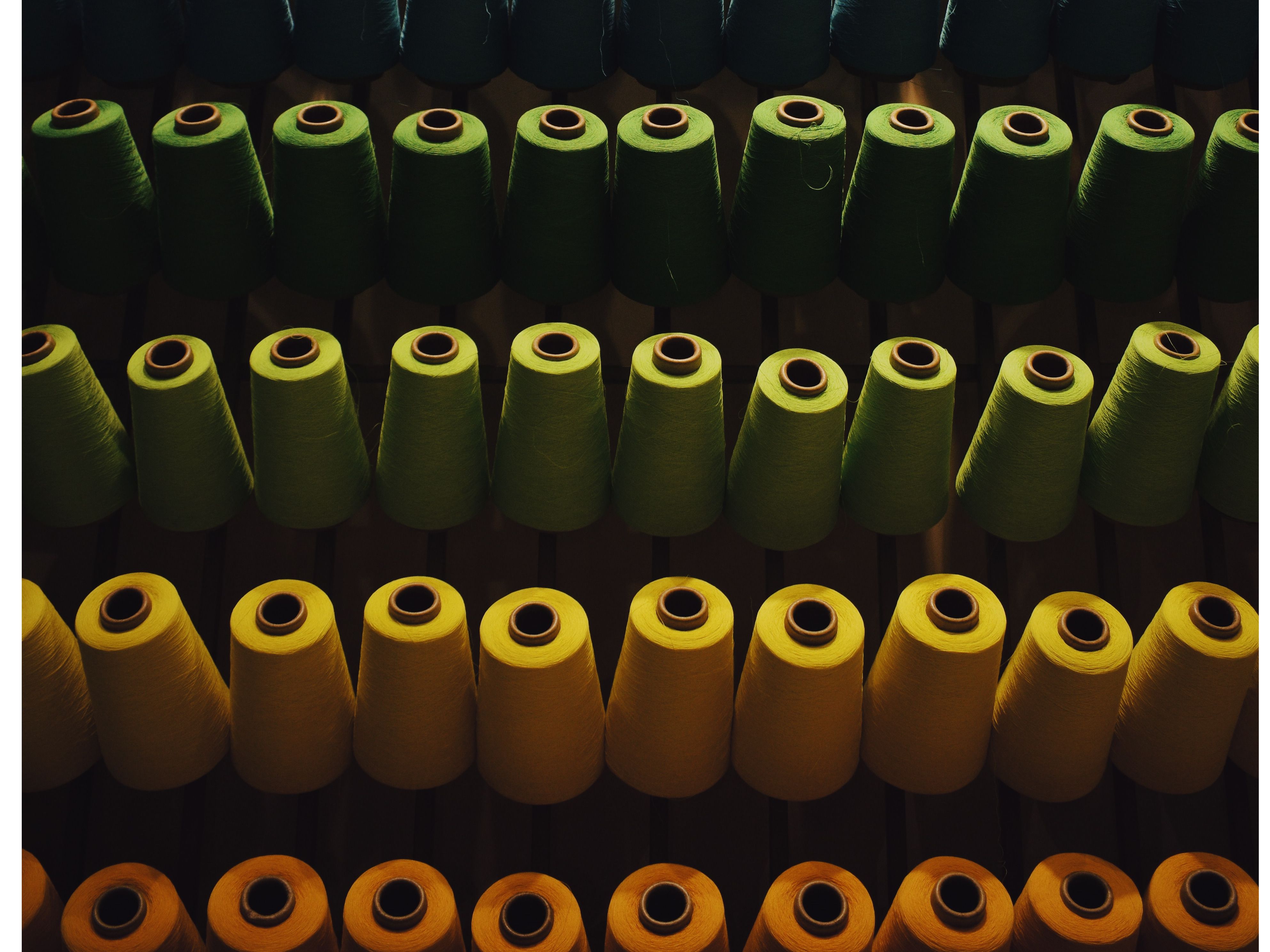
Founded in 2018, FibreTrace provides material traceability, fibre quantification, and primary farm impact data services to brands and suppliers. Using traceable pigment and blockchain technologies, they provide end-to-end visibility into the value chain at the fibre level. This fosters both brand and supplier accountability along with consumer awareness of the environmental and social implications of their textile products throughout the global supply chain.
Problem
End-to-end material traceability and supply chain transparency are crucial components for a circular textiles industry. Imprecise and incomplete data tracking the true origins and impacts of our raw materials and products has inhibited consumer-, supplier-, and brand-level accountability for the consequences of textile production on both people and the planet. Without accurate information in these areas, neither consumers nor brands can attain the full transparency needed to make informed choices when it comes to taking actionable steps to reduce their impacts. Fibre-specific data has been especially difficult to obtain due to the general lack of direct communication between brands/suppliers and farmers. Comprehensive digital infrastructure is thus necessary to provide tracking data, impact metrics, and tangible evidence for backing up environmental targets and product claims on a scale that can match the global and fragmented nature of contemporary supply chains.
Solution
FibreTrace enables material traceability through durable, non-toxic luminescent pigments that are embedded in liquid form on the fibre during the raw source or spinning process. These pigments can then be read and tracked at any stage in the supply chain by way of FiberTrace scanning devices. Using blockchain technology, the textile fibres are traced and verified through securely recorded audits, making them visible in real-time throughout the product's journey from farm to shelf, and beyond. Applicable fibres include cotton, responsible viscose, and recycled polyester. Wool, leather, and bast fibre trials are underway as of 2021.
In partnership with Carbon Friendly, FibreTrace has also produced the Fibre Impact Module (FIM), an integrated sustainability performance benchmarking tool, which merges traceability with impact measurement. With the FIM brands and suppliers can capture, verify, and trace GHG emissions, water use, energy use, chemical use, and soil carbon content at the raw materials stage. Impact data is verified by a globally recognized third party.
Outcome
The data which FibreTrace technology collects and organizes offers brands, suppliers, and consumers accurate insights into social and environmental impacts, as well as the physical journey of tracked products. This information enables accountability among multiple stakeholders for reducing the industry's harmful impacts on people and the planet
FibreTrace has been awarded both a U.S. patent (2019) and a European patent (2021) for 'Photon Marker System in Fiber Material.'
The company has partnered with brands such as Reformation and Nobody Denim to produce traceable denim collections, which enable customers to follow their jeans' lifetime tracking history and learn about the people who produced them.
Location
Industries
Involved organisation(s)
Key elements of the circular economy
Attachments and links
Contributors
Owner
Contributor
Contributor
Date added: Aug 5, 2021
Last updated: Apr 28, 2023
More from the contributors






Add your content
Strengthen the circular economy knowledge base by adding a report, case study, publication, or other resource to our platform!