Explore by topic

Incentivised recycling in Curitiba, Brazil
Last updated: Jan 17, 2025
Summary
"The city of Curitiba started the first recycling program in Brazil’s large cities in 1984, which turned out to be one of the most successful in the world and a leading example of a low cost but effective waste management program."
Text by Oscar Ricardo Schmeiske in https://www.resourcepanel.org/file/323/download?token=oYh3a-SH
Solution
"Extensive publicity and education campaigns were used to encourage residents to separate their garbage, with a strong focus on the role of children as change agents. Several communication campaigns were aimed specifically at encouraging children to separate their waste at home, mainly through the city’s elementary schools.
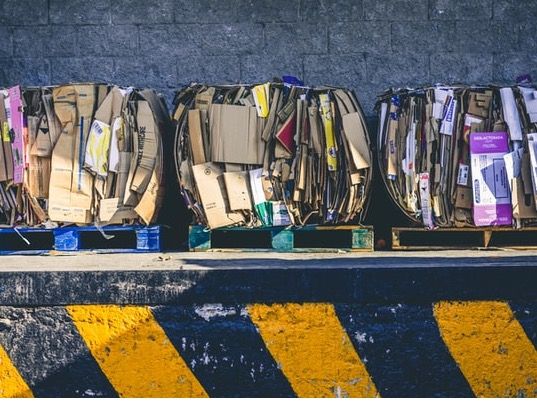
The recycling program - loosely translated as “Garbage that is not Garbage” (Lixoquenão é lixo) - was based on encouraging home separation of garbage into organic and non-organic components. Recyclable waste was collected once a week by a private contractor, and taken to a processing centre owned by the city. The facility employs homeless people and recovering"
The city created the “Garbage Purchase” program. This was aimed at encouraging neighbourhood associations to become involved in the management of centralised garbage containers on the periphery of areas that are difficult for collection trucks to access. Residents associations work with the city government to distribute bags and control the recyclables collected by each family. To incentivise the public to get involved, every bag filled with 8 to 10 kg of waste could be exchanged for a bus ticket. The value of these tickets was equivalent to the cost of conventional garbage collection, but did not involve any direct expense by the city as bus operator companies are remunerated based on mileage and not passenger numbers."
Location
Industries
Key elements of the circular economy
Attachments and links
Contributors
Owner
Contributor
Contributor
Date added: Jan 22, 2021
Last updated: Jan 17, 2025
More from the contributors






Add your content
Strengthen the circular economy knowledge base by adding a report, case study, publication, or other resource to our platform!