Explore by topic

TeKeya - Mobile app for reducing food waste
Last updated: Jul 5, 2022
Summary
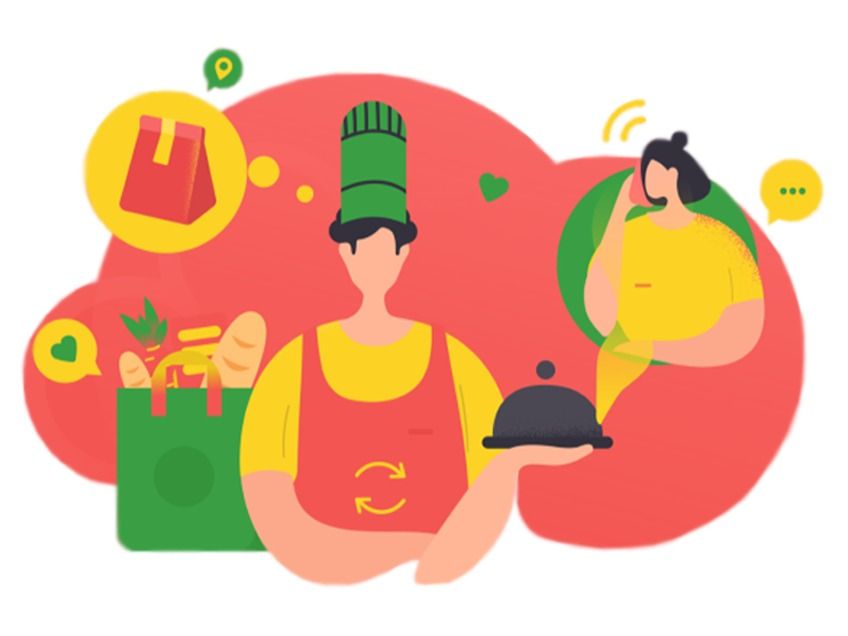
TeKeya, a newly developed app in Egypt is contributing to more circular food consumption habits. The app targets unserved ready meals or baked goods in restaurants, previously refrigerated items, or uneaten buffet servings. Consumers can buy food from the app at a reduced price– whatever is unsold is donated to those in need, generating value instead of waste. The app also enables food businesses to quantify their food waste and provides them with suggestions on how to reduce their waste.
Problem
Around the world, 1/3 of food produced is wasted each year. In the Middle East/North African region, which is TeKeya’s target market, that translates to 250kg of edible food getting thrown out per person each year. Along with the immense ratio of people living below the poverty line, who often cannot afford nutritious meals, food waste is a crucial issue that needs to be addressed urgently.
Solution
Tekeya is a digital app that connects customers with leftover food from supermarkets and restaurants. Originally Tekeya was established after seeing that lots of food were not being sold in restaurants or supermarkets while still perfectly edible. The founder wanted to use all the experience gained from working as a corporate Vice President. Retail was an easy entry point for app development, but eventually, the goal is to work up the value chain step by step. They are looking to expand in Egypt to delta cities, adding potential 3M customers. In addition, they’re looking across borders, first Middle East and potentially elsewhere in Africa too.
In addition to their marketplace app, they’ve developed a donation platform. They have a subscription platform and work with corporations, that provide monthly payments through their CSR budgets. For consumers, there is an opportunity to purchase as donations.
The company is a for-profit social enterprise that has few revenue models. The app is a marketplace with two forms: B2C marketplace directly to consumers (a percentage commission per transaction) and a B2B marketplace being piloted.
Outcome
For food providers, the app adds profits and minimizes loss and for customers, everything is sold at a 50% discount. The company works with a start-up in Sweden and is already present in 17 countries globally. Their app helps grocery store managers better assess the shelf life of their products and helps them with dynamic discounts. Tekeya creates an API integration: the better the application works, the more surplus there will be and the more potential supply. They also work with an Egyptian start-up, where the focus is on bigger surplus food - coming from wholesalers and big suppliers. They have also, partnered with 75 certified charities in Egypt.
The company is looking for a strategic start-up partnership with a player that’s on the supplier side as the volumes are bigger and could be channeled through the app to other players like restaurants, and possibly other retailers too.
Location
Industries
Involved organisation(s)
Key elements of the circular economy
Attachments and links
Contributors
Owner
Contributor
Contributor
Date added: Nov 24, 2020
Last updated: Jul 5, 2022
More from the contributors




Add your content
Strengthen the circular economy knowledge base by adding a report, case study, publication, or other resource to our platform!