Explore by topic

UPMADE: a design method and manufacturing certification for upcycling on an industrial scale
Last updated: Sep 1, 2022
Summary
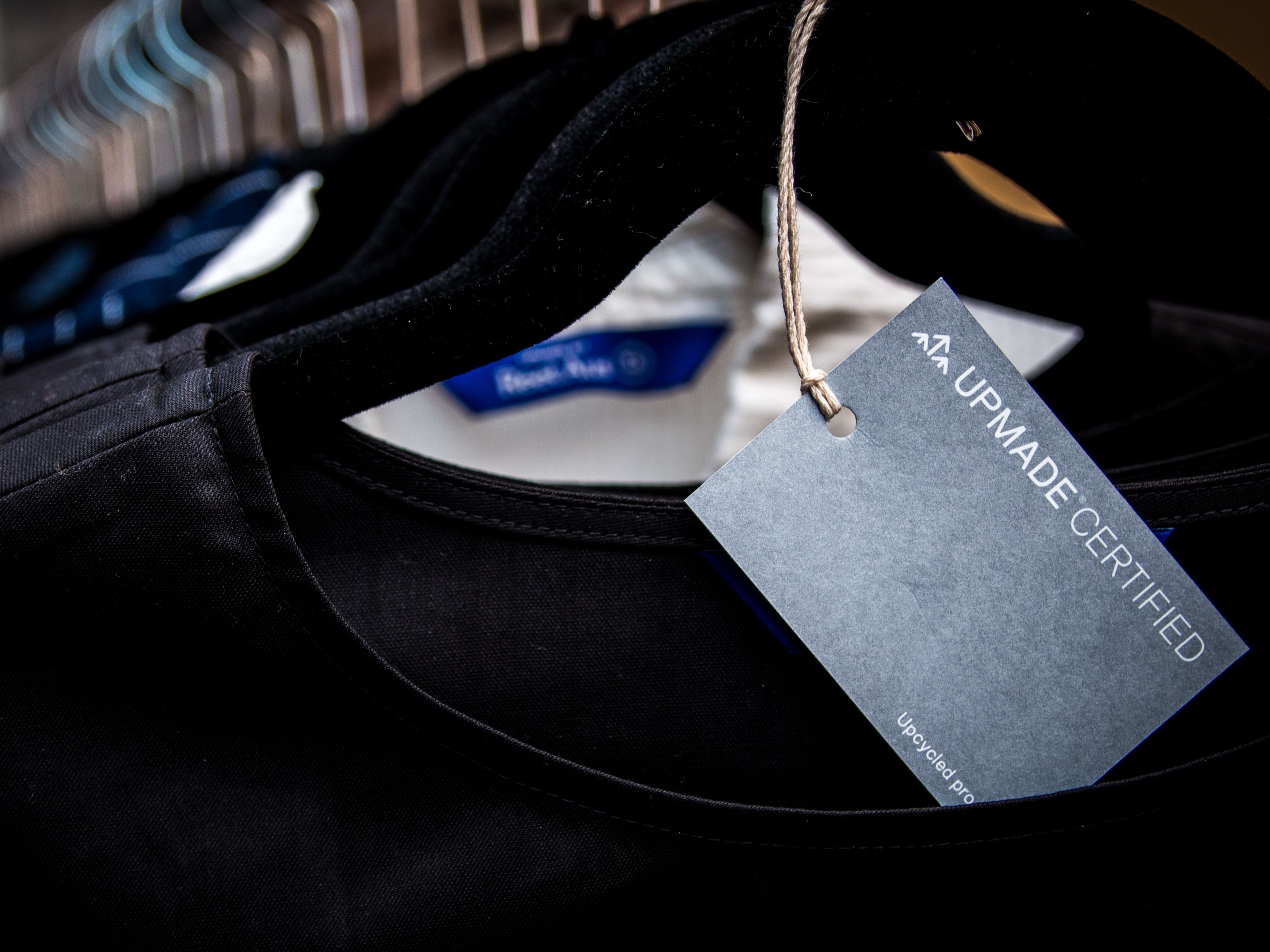
The Estonian company Reet Aus has developed UPMADE®, a design method and manufacturing certification for upcycling on an industrial scale. The method allows, using a software system, to use the textile waste of fashion brands and factories to generate new products. In this way, the generation of waste is avoided, material costs are reduced and the environmental impact of the garments produced is reduced, saving water, CO2, and energy.
Problem
In the traditional clothing manufacturing process, an average of 18% textile leftovers is created. This textile waste can be reused since, being unused material, it maintains the quality of the new textile. The reuse of disused textiles allows to turn from cost into value that wasted 18%, in addition to reducing the known environmental impacts associated with textile waste such as GHG emissions, the leaching of toxic chemicals, the waste of natural resources, among others.
Solution
Reet Aus has developed UPMADE®, a design method and manufacturing certification that allows, using a software system for upcycling in scale, to transform textile waste from companies into new products.
Outcome
UPMADE® offers two solutions with different outcomes, software and certification:
UPMADE® Software gives brands and manufacturers a whole view of their material flow in order to create upcycled products. The software conducts waste analysis to determine what kinds of leftover materials are available and also, environmental analysis is conducted (LCA) to determine what resources can be saved (water, CO2, energy) as a result of upcycling.
UPMADE® Certification can be requested by companies that implement UPMADE® software and meet the requirements (verified by an independent auditor). After certification, the producer is ready to start using the UPMADE® Software to manufacture UPMADE®-certified upcycled garments for brands. The certification is valid for 3 years, in which at least one random audit of the factory is conducted.
Designer Reet Aus has implemented the UPMADE® method in her own brand and in other companies, increasing efficiency and reducing environmental impact. An example is the product “Up-shirts” which are 100% upcycled t-shirts. Each t-shirt saves an average of 91% water and produces 85% less CO2 emissions. Up-shirt clients include the Estonian Song and Dance Festival 2014 (23,000 Up-shirts), the Festival of Opinion Culture 2014, Nordea financial services, F-Hoone restaurant and others.
Location
Involved organisation(s)
Key elements of the circular economy
Attachments and links
Contributors
Owner
Date added: Sep 1, 2022
Last updated: Sep 1, 2022
More from the contributors


Add your content
Strengthen the circular economy knowledge base by adding a report, case study, publication, or other resource to our platform!