Explore by topic

Johannesburg School Greening Project
Last updated: Apr 14, 2023
Summary
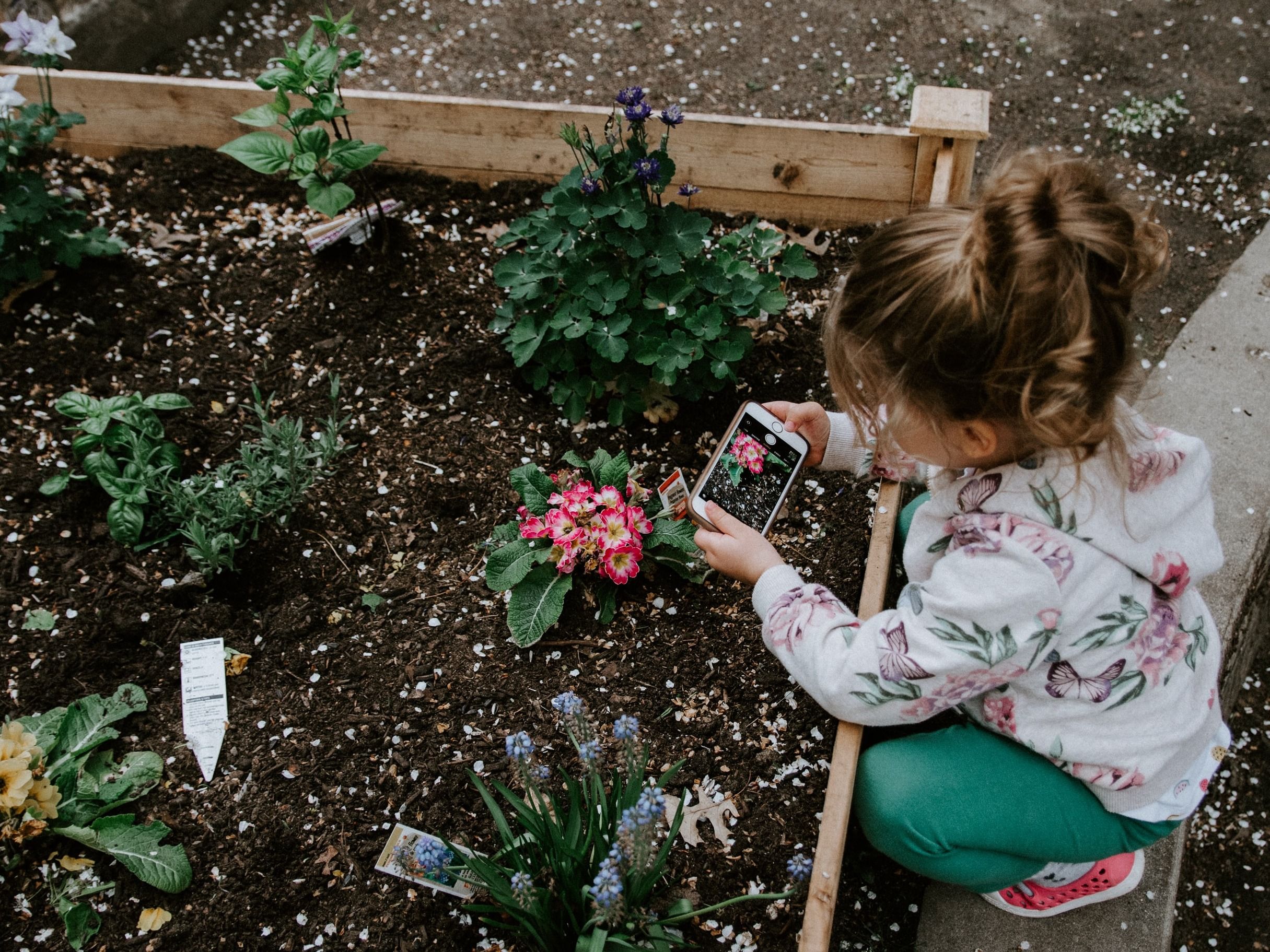
The nexus project in Johannesburg consists of the School Greening Project which ran annually from 2013 to 2017 as part of the City’s Environmental and Infrastructure Services Department environmental education efforts. It offered experiential and activity-based education focusing on resource productivity and caring for the environment. 41 schools in vulnerable communities were provided with equipment including food gardens, rainwater harvesting tanks, solar water heaters, outdoor classrooms and a biogas digester, to aid this process.
Problem
In 2013, galvanised by a study which showed that many citizens of Johannesburg were going hungry on a consistent basis - availability is not the main limitation, but rather, access to nourishing food. Additionally, Johannesburg has come close to experiencing severe water shortages a number of times without prompting a comprehensive water resilience response. Due to a high reliance on coal-generated electricity, electricity is responsible for 66% of energy-related carbon emissions.
Solution
41 schools in vulnerable communities were provided with equipment including food gardens, rainwater harvesting tanks, solar water heaters, outdoor classrooms and a biogas digester, to provide experience-based education on resource efficiency and caring for the environment.
Outcome
A challenge for this project was an imbalance between the time needed to ensure school stakeholders became familiar with the technology, and the short budget period of the city’s financial year. Lessons from this case showcase how a nexus approach can create synergies between government departments and increase systems thinking capabilities of city actors into the future.
Of all the facilities, the food gardens were the most present and used learning aids, drawing learners in to cultivate vegetables after school, and inspiring community members to start their own gardens, where space allowed. The relationships between the food gardens, the rainwater harvester, which provided irrigation, and the school kitchens, which benefited from the additional produce in their feeding programs also showcased great synergies.
Location
Industries
Key elements of the circular economy
Attachments and links
Contributors
Owner
Contributor
Contributor
Date added: Dec 15, 2021
Last updated: Apr 14, 2023
More from the contributors








Add your content
Strengthen the circular economy knowledge base by adding a report, case study, publication, or other resource to our platform!