Explore by topic

Upcycling waste materials into modular housing solutions
Last updated: Jun 8, 2026
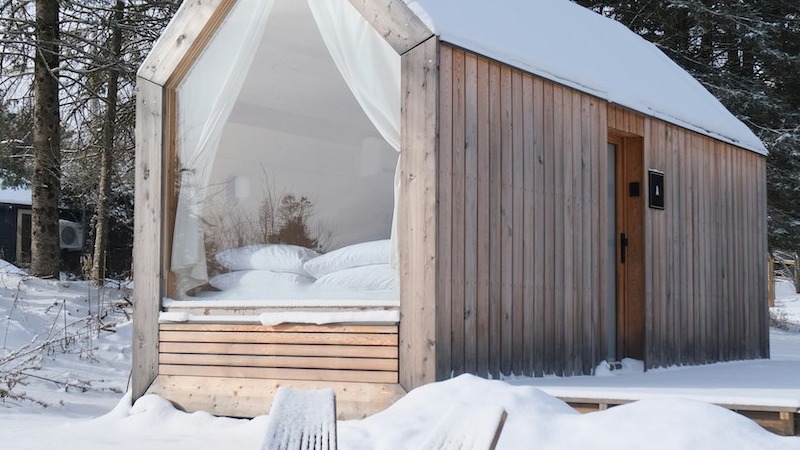
Photo from Photo by Jaime Bishara on Unsplash
Summary
Circular Life is a Slovenian initiative focused on upcycling existing materials into functional products and modular housing solutions. The company develops movable container housing units constructed entirely from repurposed materials, reducing the need for virgin resource extraction while extending the lifespan of materials that would otherwise become waste.
Problem
The construction sector is one of the world’s most resource-intensive industries, accounting for significant material consumption, waste generation, and greenhouse gas emissions. Conventional building practices rely heavily on virgin raw materials such as concrete, steel, plastics, and timber, contributing to environmental degradation and carbon-intensive supply chains. At the same time, large volumes of construction materials are discarded even though they retain functional value. Many of these materials are difficult to reintegrate into mainstream production systems and are instead landfilled, incinerated, or downcycled into lower-value applications. Housing construction can also be time-consuming, expensive, and inflexible, particularly in contexts requiring temporary, mobile, or rapidly deployable structures. These challenges highlight the need for alternative building approaches that reduce material demand while increasing adaptability and circularity within the construction sector.
Solution
Circular Life addresses these challenges by upcycling existing materials into modular container housing and other functional products. The company repurposes materials that would otherwise be treated as waste, transforming them into movable housing units that can be rapidly installed and adapted for different uses. The container housing solutions are designed for fast deployment, with placement possible in under one hour and construction limited to structures below four metres in height. By relying entirely on repurposed materials rather than newly produced inputs, the approach reduces demand for virgin resources while extending the useful life of existing materials.
In addition to material reuse, the modular design allows for flexibility and customisation, offering users greater design freedom compared with more standardised temporary housing systems. This approach supports circular construction principles by prioritising reuse, adaptability, and resource efficiency throughout the building process.
Outcome
Circular Life demonstrates how upcycling and modular design can support more circular approaches within the construction and textiles value chains. By transforming discarded materials into functional housing solutions, the initiative contributes to reducing waste generation and lowering demand for new construction materials.
The project also highlights the potential for circular construction models that prioritise flexibility, rapid deployment, and material reuse. Through its modular container housing, Circular Life showcases how buildings and products can be designed to remain adaptable while retaining the value of materials already in circulation.
Looking ahead
As Circular Life continues to expand its approach to modular housing and material upcycling, participation in CircularInvest has provided opportunities to strengthen the company's business capabilities, build connections and support its long-term development.
‘I would say that there was no specific moment that changed everything, but all of them added up and made us a better company, helped us, connected us better, and just made us evolve and move in a better direction’.
-Marin Zver, Circular Life
Location
Industries
Involved organisation(s)
Key elements of the circular economy
Attachments and links
Contributors
Owner
Date added: Jun 8, 2026
Last updated: Jun 8, 2026
More from Circle Economy

Add your content
Strengthen the circular economy knowledge base by adding a report, case study, publication, or other resource to our platform!