Explore by topic

Nutrient recovery in Turku, Finland
Last updated: Jan 11, 2022
Summary
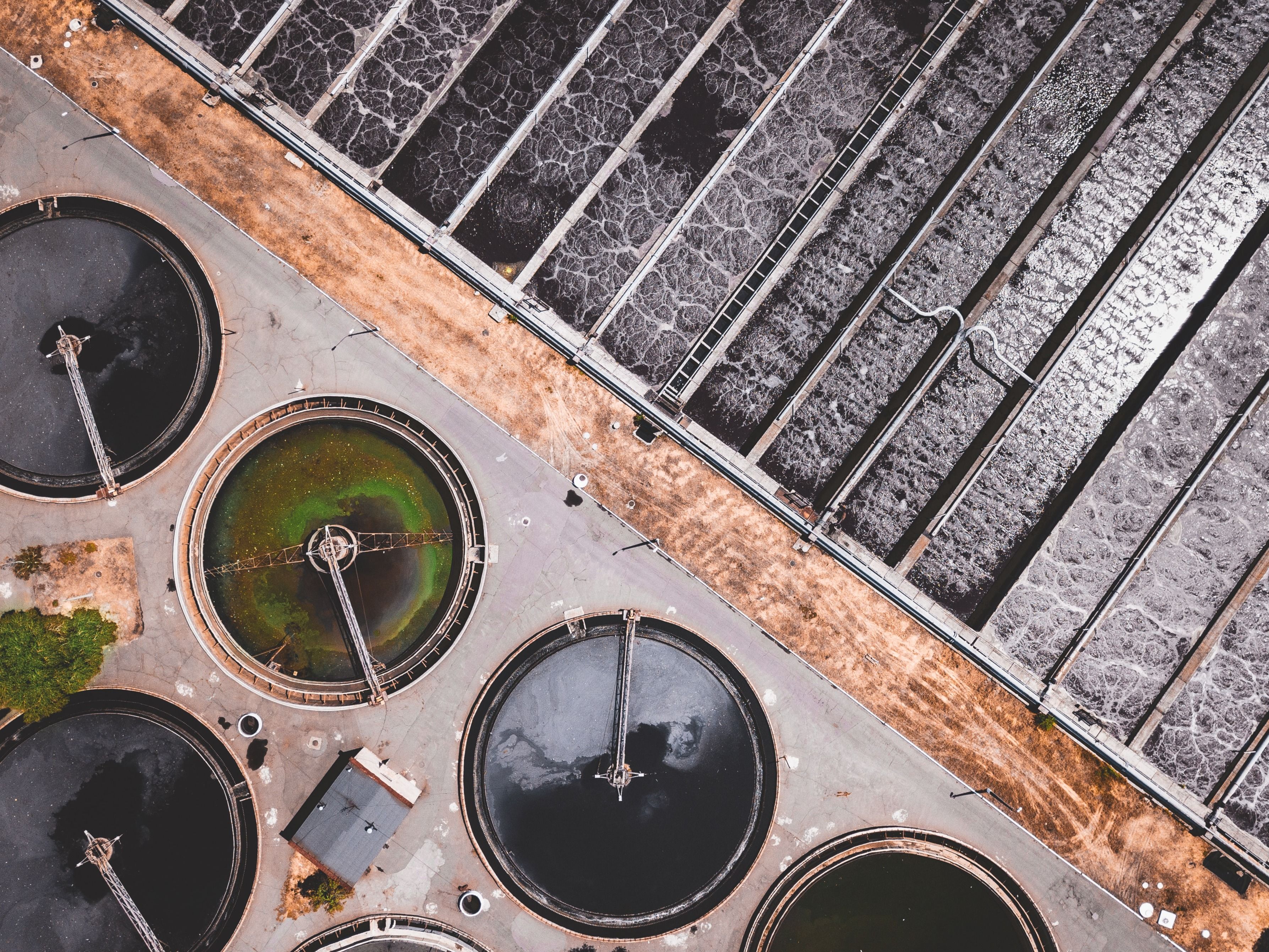
In Turku, even sludge does not go to waste. Sludge, a by-product of the city’s wastewater treatment, is processed with anaerobic digestion. Besides producing biogas, which is used to help power transport in the city, nutrients recovered from the process are used in landscaping and agriculture, which reduces reliance on fertilizers.
Problem
Until 2009, wastewater was collected separately by fourteen municipalities in the Turku region. Nutrients capture wasn’t maximized which was causing the Turku marine area to be substantially polluted with phosphorus and nitrogen. As for drinking water, it used to be produced by separate water production facilities using either groundwater or surface water obtained from small rivers nearby Turku. The quality and quantity of the river water was not sufficient. As a result, drinking water in the Turku.
Solution
Turku acknowledged the need to reinvent water management in the region to both improve the water quality and protect local ecosystems. Today, sludge, a by-product of the city’s wastewater treatment, is processed with anaerobic digestion.
Outcome
Besides producing biogas, which is used to help power transport in the city, nutrients recovered from the process are used in landscaping and agriculture, which reduces reliance on fertilizers.
Location
Industries
Involved organisation(s)
Key elements of the circular economy
Attachments and links
Contributors
Owner
Contributor
Contributor
Date added: Sep 2, 2021
Last updated: Jan 11, 2022
More from the contributors



Add your content
Strengthen the circular economy knowledge base by adding a report, case study, publication, or other resource to our platform!