Explore by topic

Worn Again Technologies brings regenerative (chemical) recycling for textiles
Last updated: Aug 18, 2021
Summary
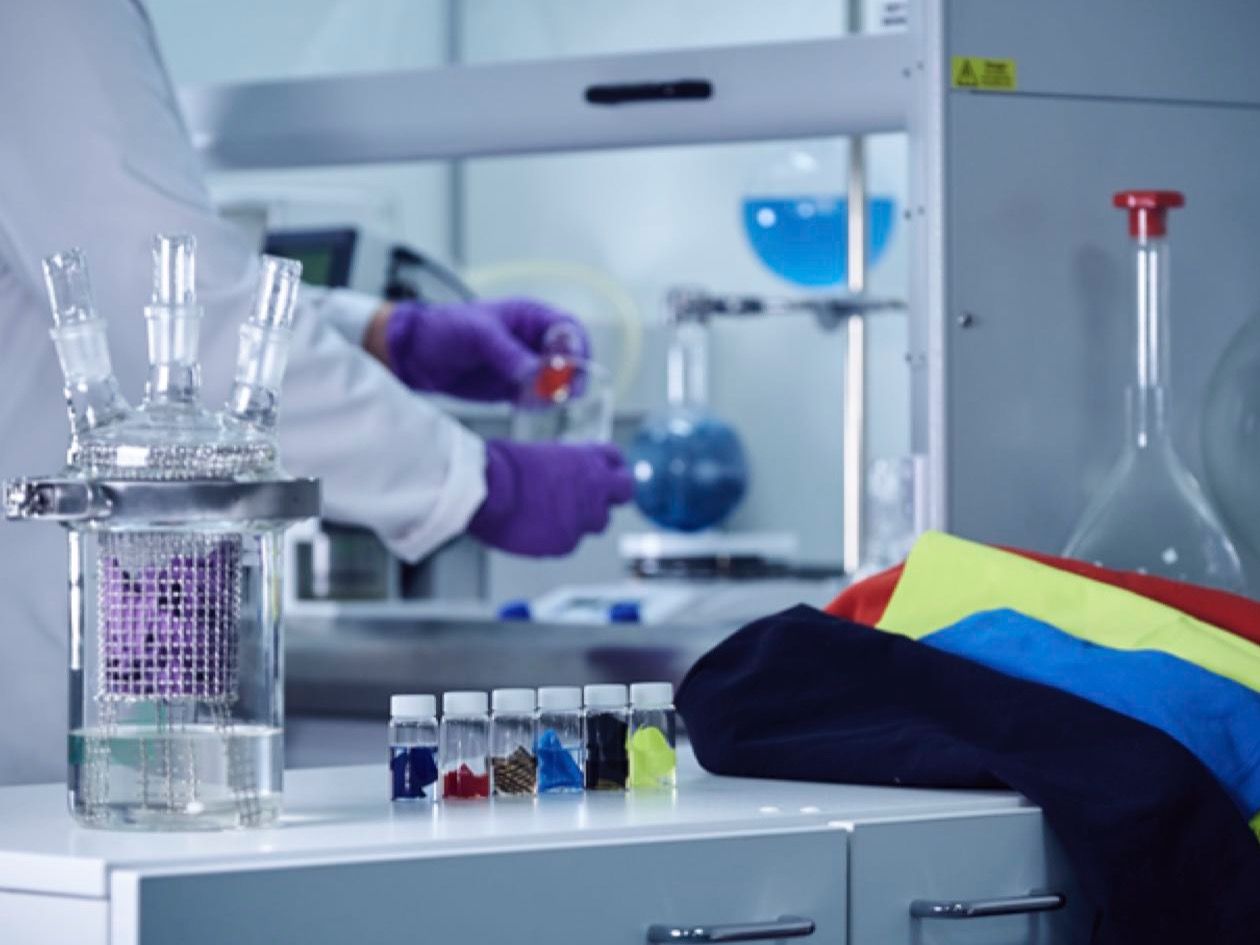
Worn Again Technologies has developed a polymer recycling technology for non-reusable textiles which separates, decontaminates and extracts polyester and cellulose (from cotton). The inputs can be pure polyester, poly/cotton, poly/cellulose blends with up to 10% 'other', including nylon, wool, elastane, etc. The outputs are polyester pellets and cellulose pulp to be returned into supply chains to become fibre, yarn and textiles as part of a continual cycle.
Worn Again are aiming for virgin equivalent quality and cost competitive outputs with an environmentally beneficial industrial process. The technology is currently in the scaling phase, with an ambition of 40 plants by 2040, contributing to the widespread replacement of virgin resource use.
Problem
Over 50 million tonnes of textiles go to landfill every year. The demand for raw materials to make textiles is set to increase by 63% over the next decade. Current textile recycling methods turn less than 1% of non-reusable materials back into new textiles, whilst the demand for resources continues to grow. Plastics use is also increasing and current recycling methods are unable to meet market demand for high quality materials
Solution
Worn Again Technologies has developed a polymer recycling technology for non-reusable textiles which separates, decontaminates and extracts polyester and cellulose (from cotton). The inputs can be pure polyester, poly/cotton, poly/cellulose blends with up to 10% 'other', including nylon, wool, elastane, etc. The outputs are polyester pellets and cellulose pulp to be returned into supply chains to become fibre, yarn and textiles as part of a continual cycle.
Outcome
Worn Again's recycling technology is able to separate, decontaminate and extract polyester and cellulose (from cotton) from non-reusable textiles and polyester bottles and packaging to produce dual PET and cellulose outputs. By using existing textiles as inputs for making new textiles, regenerative recycling processes will enable the circularity of raw materials. Additionally, this will lead to a widespread reduction in CO2 emissions, water, pesticides and land use.
Location
Industries
Involved organisation(s)
Key elements of the circular economy
Attachments and links
Contributors
Owner
Contributor
Date added: Apr 30, 2021
Last updated: Aug 18, 2021
More from the contributors



Add your content
Strengthen the circular economy knowledge base by adding a report, case study, publication, or other resource to our platform!