Explore by topic

Sojo - the UK's first clothing repair app connects users to local seamsters via bike
Last updated: Jan 18, 2023
Summary
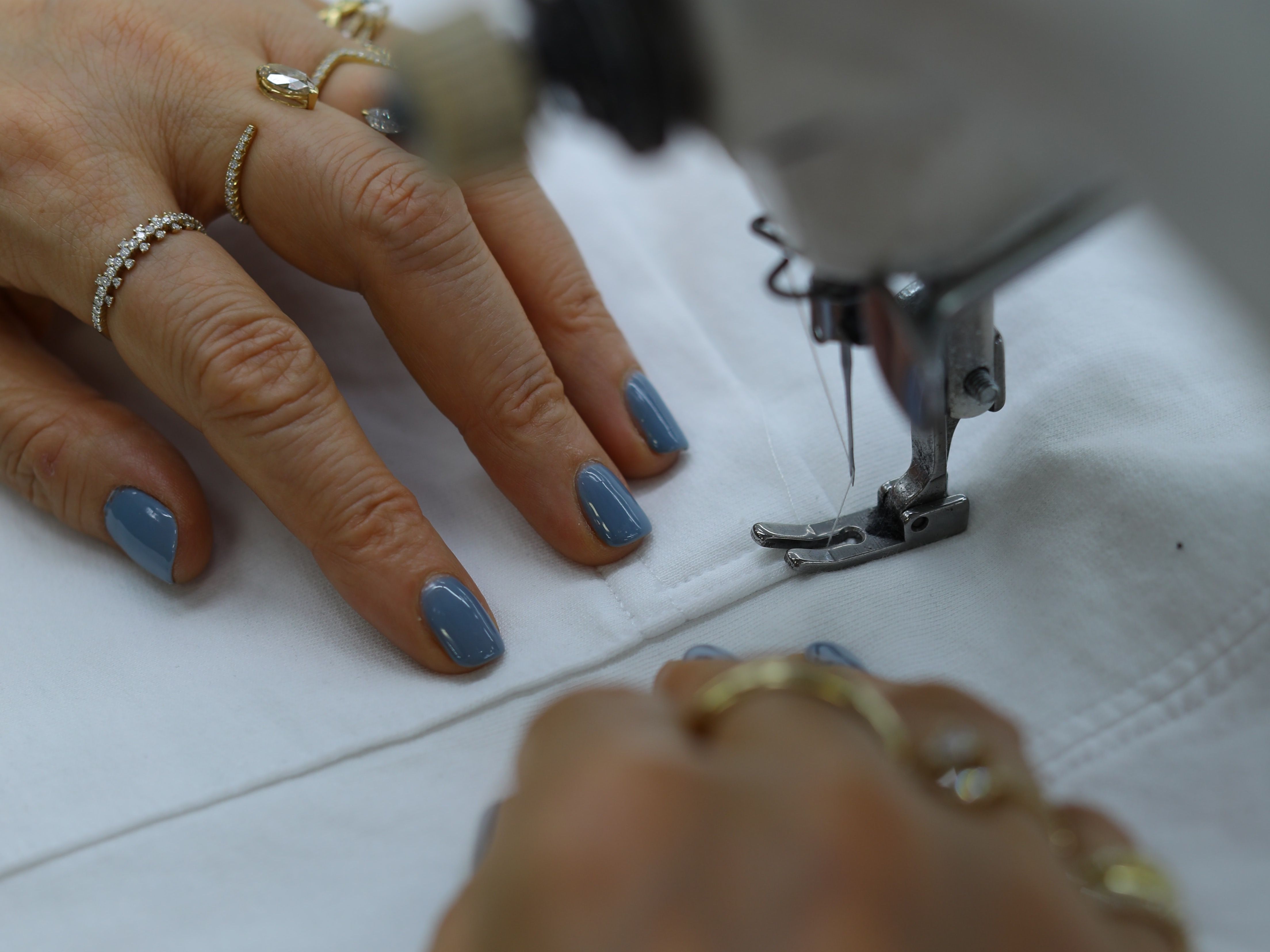
Based in London, this clothing repair and alterations app connects users to a network of local seamsters via bike, with home pick up, and delivery. By simplifying repairs, Sojo aims to start a mending revolution.
Problem
According to a 2019 survey, only one-third (36%) of people in the UK repair their clothes when they break. One in four skips mending because 'it's just easier to buy something new' (Censuswide, 2019)*. This results in a staggering 13 million items going to landfills in the UK each week.
Consumers who are already embracing sustainable habits by shopping second-hand on the other hand, often find that garments are unfortunately not the right size for them and finding a qualified seamster who can do the alteration can be time-consuming.
Finally, from a business perspective, 64% of customer returns are due to poor fit, with a £20 average cost of return and 2.8kg of carbon per item returned. Clearly, there is a gap that can be bridged by an accessible and streamlined repair service.
Solution
The positive impact of repair as a circular strategy is substantial as wearing an item 5 times produces 400% more carbon than wearing it 50 times. To extend the life of much-loved garments as well as remove some of the barriers to buying pre-worn clothing, Sojo operates on a direct-to-consumer and a business-to-business model.
As a D2C, users can choose from a list of services or add new requests and read about the allocated seamster. Currently covering zone 1&2 in London, orders are picked up and brought by bike to small tailoring businesses in the area and delivered within 5 days. Sojo takes a 30% commission from the seamsters to whom it sends work through the app and charges a £3.99 delivery fee.
To nail the perfect fit from a distance, they recommend users to include an item that fits them well in their order as a reference, or to pin the excess fabric (for which they have supporting video tutorials).
As a B2B, they offer eCom alterations and repairs as a post-purchase sizing solution to reduce returns and increase LTV, quickly integrated into a company's website by Sojo's technical team. To date, they have partnered with Ganni, Beyond Retro and Prochaine (Sep 2022).
Outcome
Sojo aims to decentralise a fragmented industry by creating a community of seamsters and giving them exposure and a steady flow of work via the app. The hyper-local setup of their business model makes it a cheaper alternative for brands compared to in-house repairs.
Location
Industries
Involved organisation(s)
Attachments and links
Contributors
Owner
Contributor
Contributor
Date added: Aug 8, 2022
Last updated: Jan 18, 2023
More from the contributors







Add your content
Strengthen the circular economy knowledge base by adding a report, case study, publication, or other resource to our platform!