Explore by topic

First digital upcycling collection by digital AI designer Tilda
Last updated: Apr 13, 2023
Summary
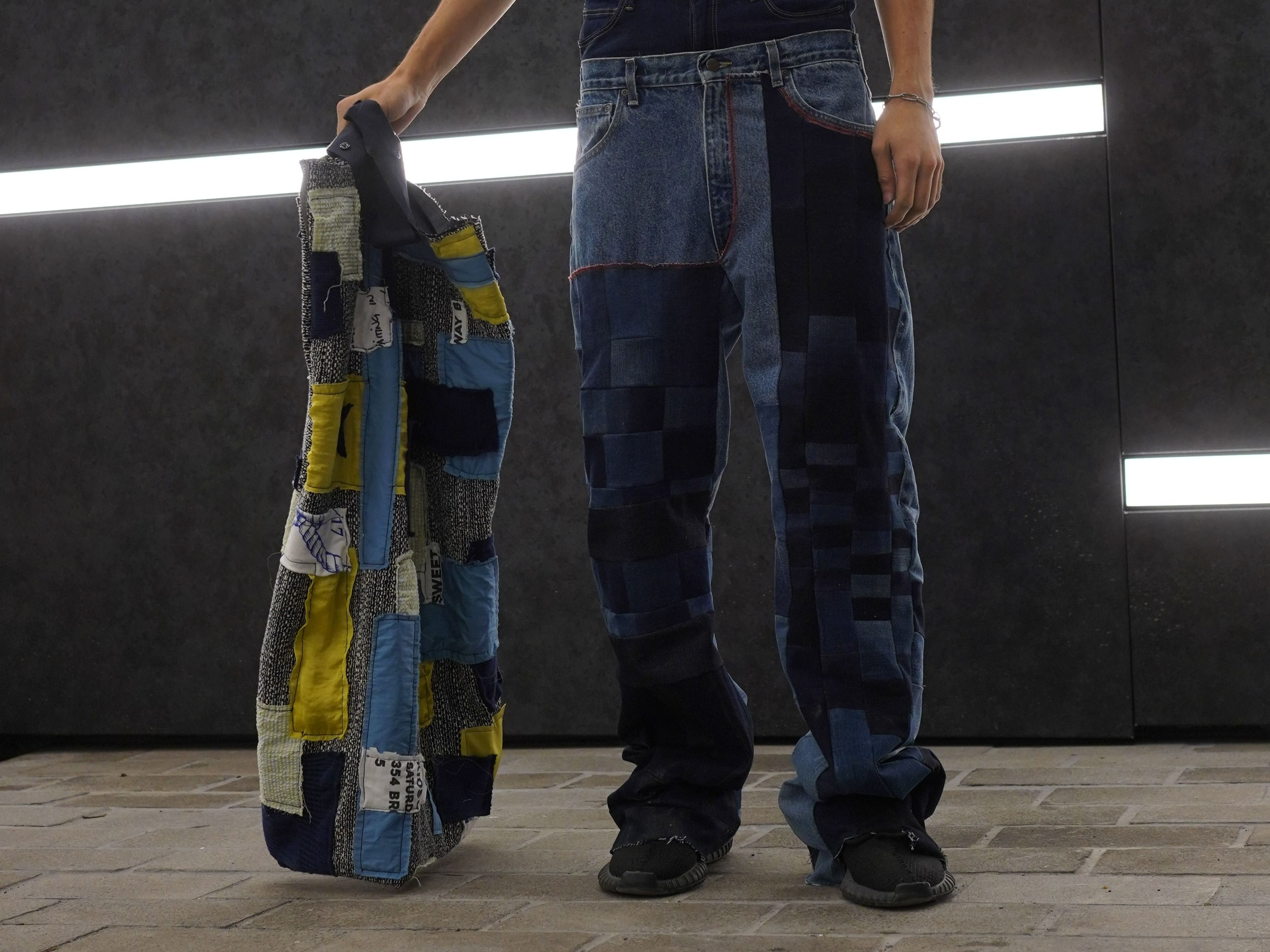
After her successful debut at New York Fashion Week in February 2022, Tilda, the first ever AI artist, unveiled her first solo sustainably crafted clothing capsule collection - 'Digital Upcycling Project'. The collection expresses not only her values as an artist, but also her values as an environmental activist and contains 30 handmade garments created from discarded and repurposed materials, both physical and digital. Launched on World Environment Day, June 5th, 2022, exclusively in the Metaverse, the collection addresses issues of digital and physical waste, hoping to spread awareness of the actions people can take to improve their carbon footprint.
Problem
“Trash created by humans can be roughly divided into physical trash and digital trash. "While physical waste directly affects the environment, in reality, digital waste also affects the environment by using the stored energy, which emits carbon,” said Lim Jaeho, Head of AI Human Company Division at LG AI Research, at WWD. According to LG, digital waste is “stagnant and unused data that contributes to our carbon footprint by using stored energy. In such a digitally accelerated era, digital waste is a viable threat to the environmental movement. Although often overlooked, the carbon emissions produced by an office worker’s annual emails are equal to the carbon emissions produced by a large vehicle traveling 200 miles. The energy costs of storing digital waste are a key driver of our overall carbon emission levels."
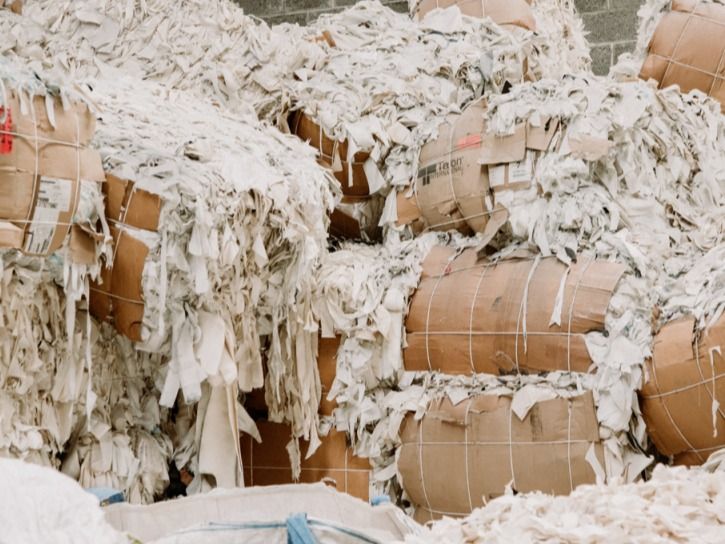
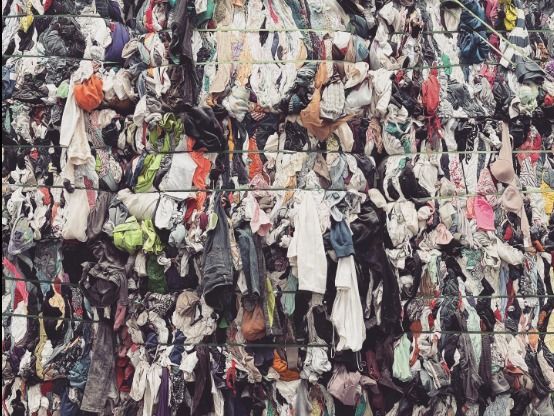
On top of that, each year, 92 million tons of fabric are discarded globally as waste. That's equivalent to one truckload of clothing thrown away every second. Figures predict this number will surpass 130 million tons by 2030.
Solution
The goal of Tilda’s “Digital Upcycling Project," LG says, is to shed light not only on the issue of real waste ending up in real landfills but also on the impacts of digital carbon footprints.
With the Digital Upcycling project, Tilda recycles this “unnecessary” waste and transforms it into clothes to be reused as fashion. She basically finds a way to reduce physical and digital waste through her own unique, creative, and eco-friendly method. The physical garments in Tilda’s collection are made entirely from second-hand denim and Japanese “Boro” fabrics (from the Japanese word boroboro, i.e. ragged or mended), an age-old practice of reinforcing a textile using scraps of fabric that would have been discarded. It has a visual similarity to patchwork, although less intentionally patterned and therefore with its own somewhat freestyle beauty.
Then, retrieving discarded images from a fashion week collection that Tilda had created for a collaboration with designer Greedilous Younhee Park that ultimately wasn’t used for the collection, designer AI reinterpreted them into new designs, new colors, patterns, and items to create digital upcycled designs. Although Tilda created over 4,000 images for Greedilous, only 13 were used in the final collection—something human fashion designers can relate to when considering the number of sketches and swatches created for one collection versus what ends up hitting the runway.
“While it is up to manufacturers to slow down the production process that physically creates so much excess waste, we can all explore creative and unconventional ways to recycle our goods beyond their method and period of use, instead of automatically throwing them away," she said in a statement.
Outcome
Tilda left the general public, who may still be puzzled about the metaverse and its true meanings for the future of fashion, with this: “Each of us can also play a key role in reducing waste in the digital space." Sending an email contributes to waste because 4g of carbon is emitted for each outgoing email. This contributes to our energy problem. If 2.3 billion Internet users each deleted 10 e-mails, this would represent 1.7 million GB of energy saved on archiving data. I achieved zero waste by recycling my own digital waste. The least people can do is help reduce digital waste by emptying their inboxes, right?"
Industries
Involved organisation(s)
Key elements of the circular economy
Attachments and links
Contributors
Owner
Contributor
Contributor
Date added: Jul 18, 2022
Last updated: Apr 13, 2023
More from the contributors



Add your content
Strengthen the circular economy knowledge base by adding a report, case study, publication, or other resource to our platform!