15 years of impact
In 2026, Circle Economy celebrates its 15th anniversary. We are marking this milestone by capturing and sharing the impact we’ve created together with 1,074 businesses and organisations, 383 cities, and 95 nations we have supported since 2011.
This is more than an impact report. It is a collection of stories based on interviews with our partners, current and former colleagues. In each conversation, asking: what has truly changed since Circle Economy supported you?
The answers have lifted our spirits. New policies were introduced, business models were implemented, and entirely new companies were established—making the circular economy a new norm.
We hope these stories inspire you. Enjoy!
How Philips innovated from product to service
Philips didn’t just sell lamps. They sold light. Facing commoditised markets and fierce global competition, the company transformed its business model from one-off product sales to a service-based approach. With Light as a Service, customers pay for the light they need, not the physical product, while Philips turns circular innovation into a business advantage.

How Amsterdam built circularity around a social heart
Amsterdam faced a challenge familiar to many cities: mountains of data but no clear way to translate it into actionable strategies. That’s when Circle Economy stepped in, pioneering one of the world’s first city-wide Material Flow Analyses. Over a decade later, Amsterdam isn’t just talking circularity—it’s living it, inspiring cities around the globe to turn insights into action.
How the Netherlands became a circular frontrunner
Try googling ‘circular frontrunner countries’, and the Netherlands comes out on top. Today, the country’s reputation as a leader in the global shift to a circular economy is undisputed. Yet few people know it all began as a daring proclamation, a classic case of ‘fake it till you make it’.
From City Scan to Scotland’s circular economy champion
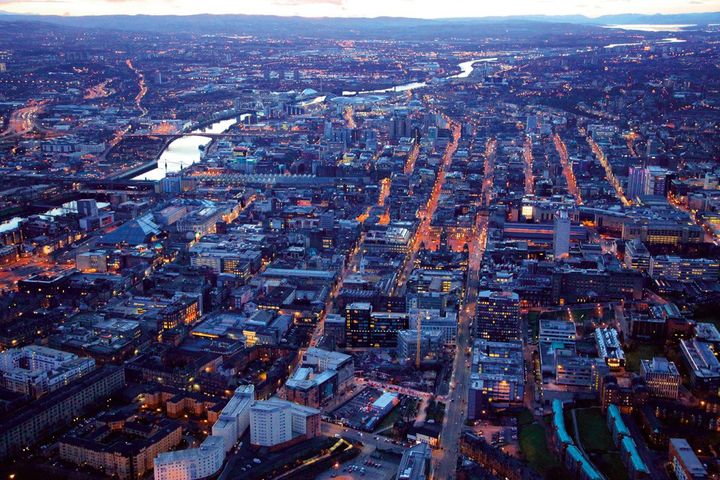
Sometimes a single insight can spark a city-wide transformation. That’s what happened in Glasgow when the City, the Chamber of Commerce, and Zero Waste Scotland partnered with Circle Economy to map material flows and uncover circular opportunities.
Beyond recycling: Bringing true circularity to Austria
Austria ranks as one of the global recycling champions: already in 2018, 58% of all municipal waste in the country was recycled. Add to this a string of waste prevention regulations introduced as early as the 2000s, and an image of a circularity champion starts to emerge. It is no coincidence that in 2019, Austria became the first country in the world to commission a Circularity Gap Report, measuring the circularity rate of a nation.

Financing the circular transition at home and beyond
A circular economy requires circular finance. At Circle Economy, we recognised this early on and launched our Circular Finance programme in 2015. Since then, it has gained momentum both in our home country, the Netherlands, and beyond.

The business case for fixing the fashion industry
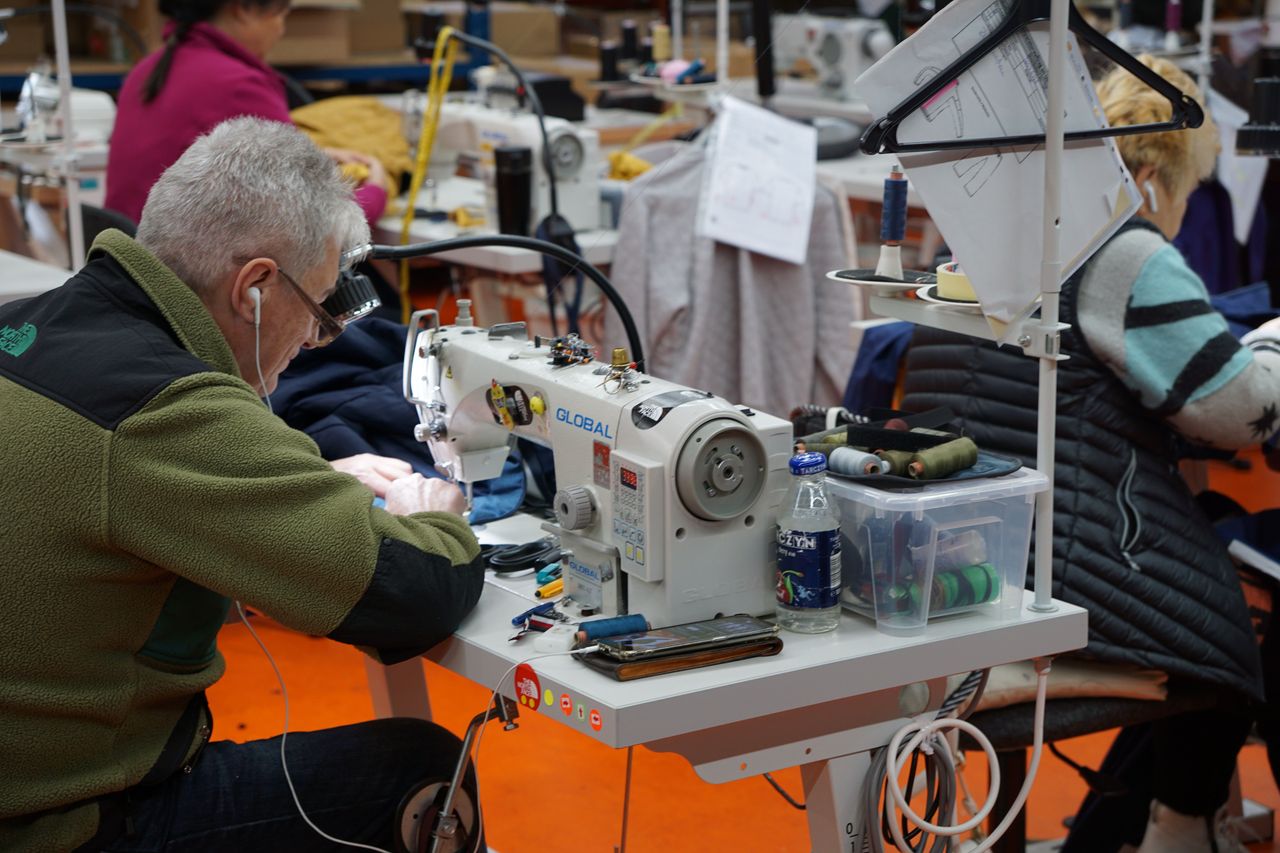
In an inconspicuous warehouse on the outskirts of Amsterdam, both people and clothing are given a fresh start. Employing more than 75 people with difficulties accessing the labour market, United Repair Centre works with leading brands to repair damaged items, having fixed over 75,000 pieces of clothing to date. It’s hard to believe it all started with a PDF document—until you speak with the founder, Thami Schweichler.
How Munich built the largest circular start-up ecosystem in Europe
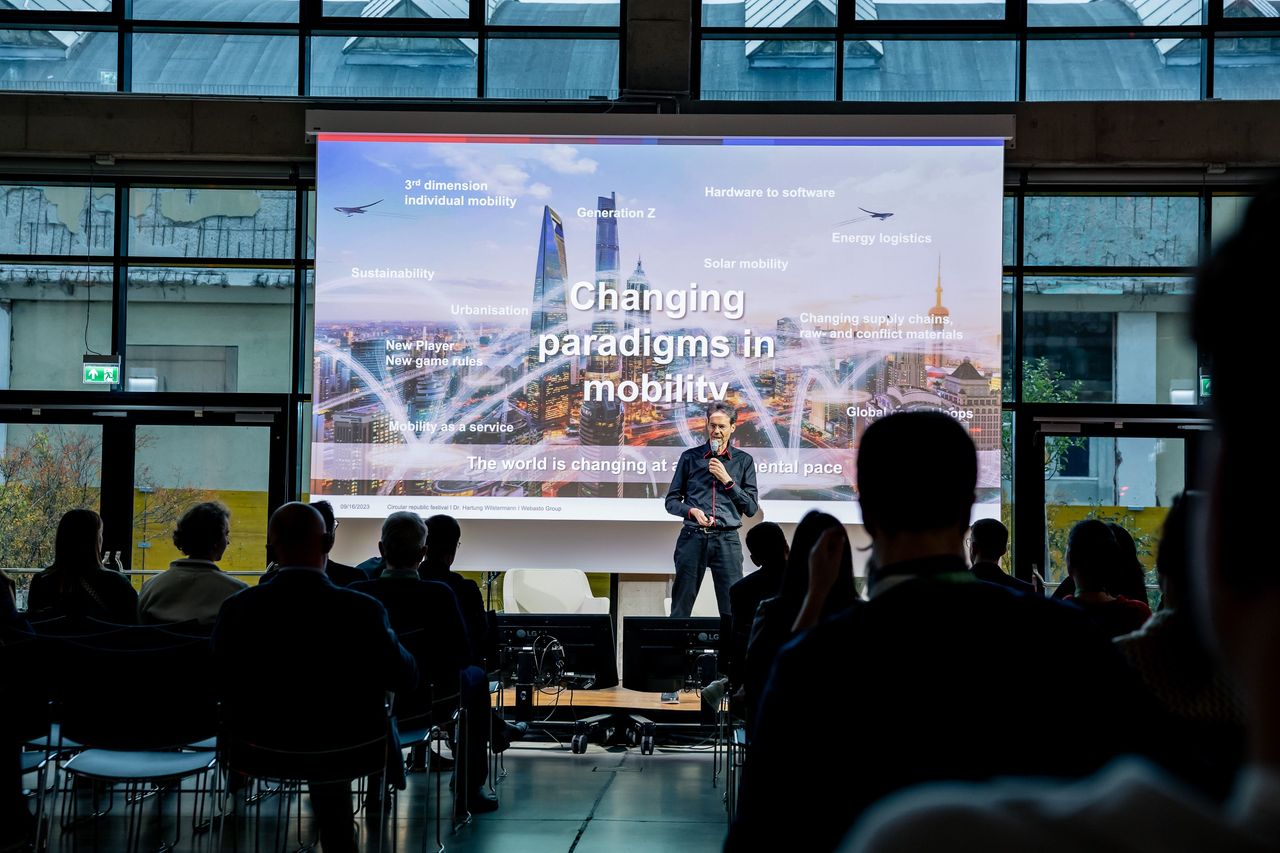
Every ambitious city now has a start-up hub. While some focus on climate tech, AI, or agricultural innovation, Munich, Germany, has set its sights on building Europe’s largest circular start-up ecosystem. Just a few years after its establishment, it already holds the title of Germany’s largest circular hub—an achievement driven in part by the Circularity Gap Report Munich.
Creating dignified jobs in India: The business case for post-consumer textile waste
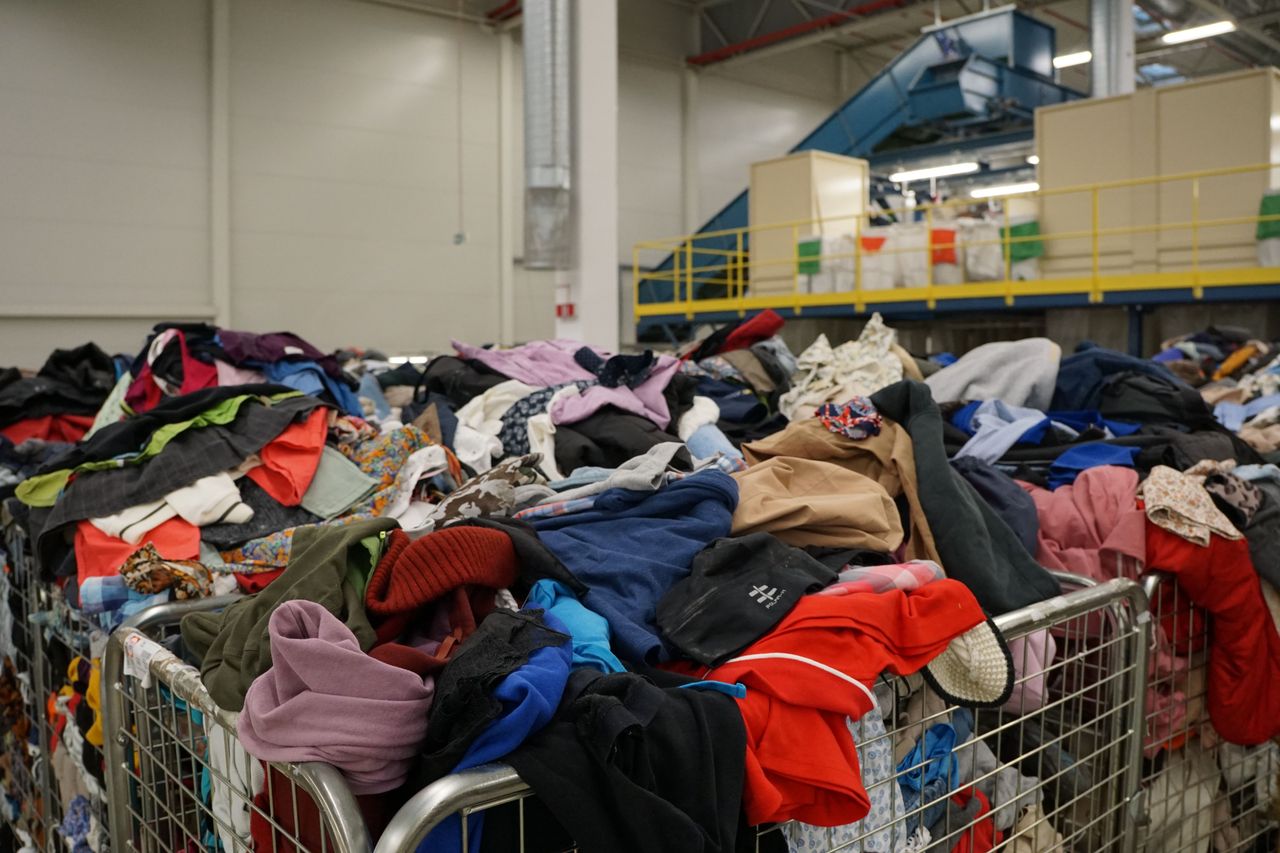
More than 73% of textiles worldwide are still landfilled or incinerated. Despite growing awareness of the environmental impact of fashion, post-consumer textile waste has remained largely outside mainstream investment and policy agendas. The Fibersort project set out to address that gap.
The key to the circular transition in Montréal
It sounds almost like a fairy tale—one key that can open many doors. Yet this has become a reality for the city of Montréal, Canada, which found the Circularity Gap Report Montréal to be just such a key. Yet there is no magic in it—only science.

Behind the scenes of Ireland’s push for a circular economy strategy
Legislative processes, public consultations and closed-door meetings may not sound particularly exciting, but they are precisely the kind of ‘lever long enough to move the world’. Ireland’s approach to circular policymaking deserves a closer look as a case study in whole-of-government commitment.